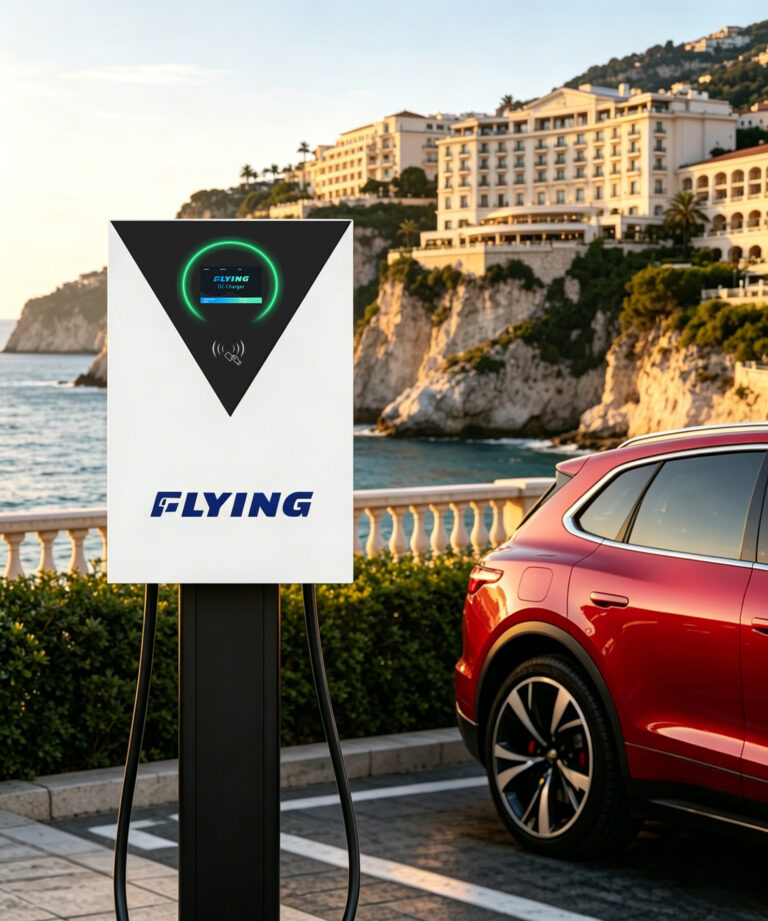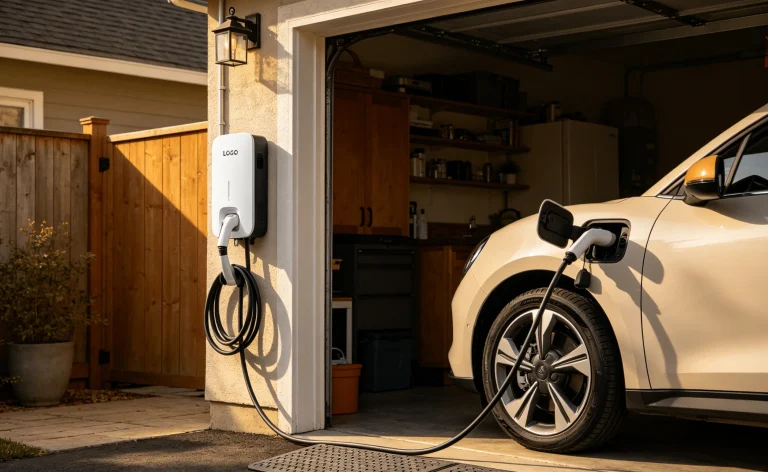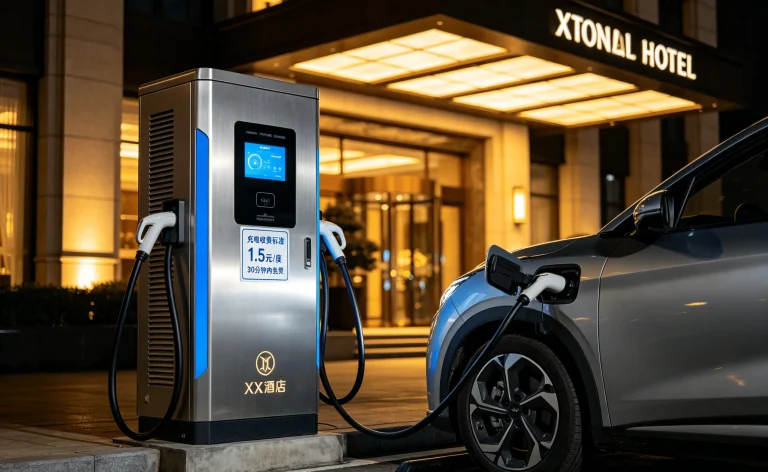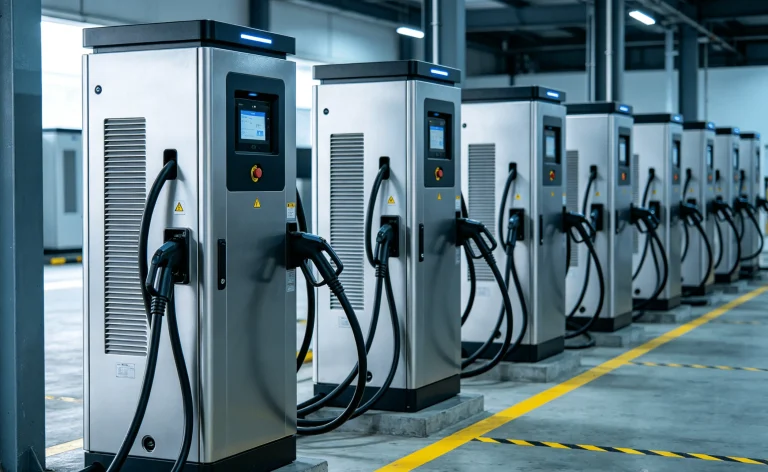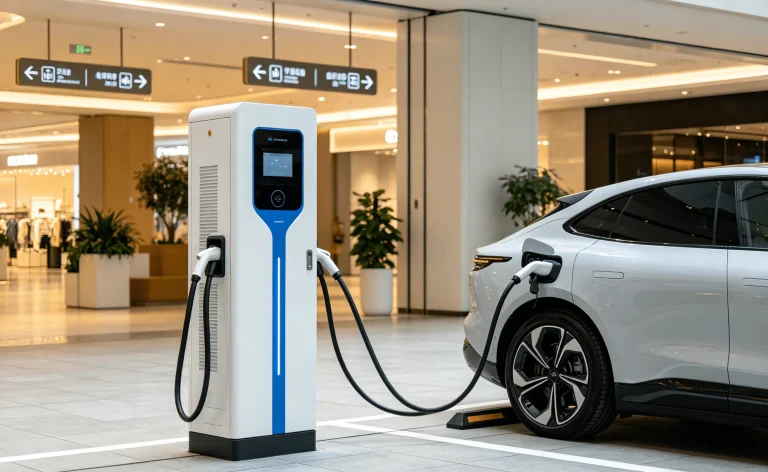
Charging as a Service (CaaS) is emerging as a popular business model for gas stations, allowing operators to offer EV charging without heavy upfront investment. Instead of owning and operating the equipment, retailers partner with service providers who manage installation, maintenance, and software operations.
CaaS enables stations to provide multiple charging options, including DC fast chargers and AC Level 2 chargers, with predictable revenue-sharing agreements. Users benefit from seamless access, integrated mobile payments, and reliable service.
Software platforms are critical for CaaS. Operators can monitor usage, optimize energy consumption, and access detailed analytics for revenue tracking. Fleet operators gain visibility into charging availability and usage, allowing better planning for deliveries and long-distance routes.
Regulatory compliance is also simplified under CaaS. Providers ensure adherence to electrical codes, safety standards, and interoperability protocols, reducing operational burden for station owners.
In conclusion, CaaS offers a cost-effective, scalable approach for fuel retailers entering the EV charging market. By outsourcing infrastructure management to specialized providers, stations can deliver high-quality service while generating revenue and attracting environmentally conscious customers.