
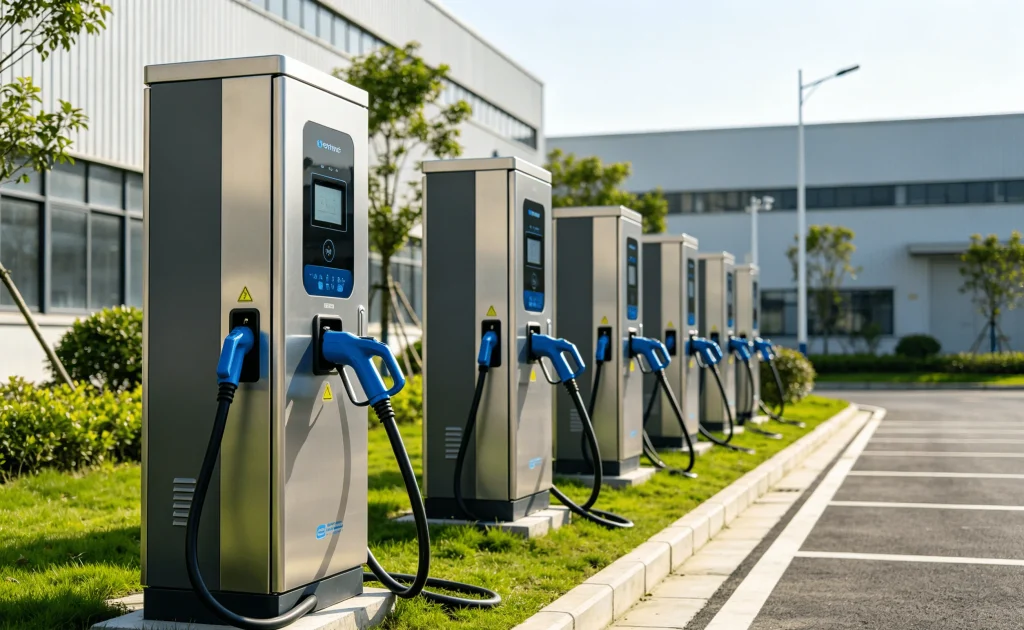
Intelligent EV charging systems integrate hardware, software, and analytics to optimize charging times and minimize associated costs. These systems offer measurable benefits for operators, fleet managers, and end-users.
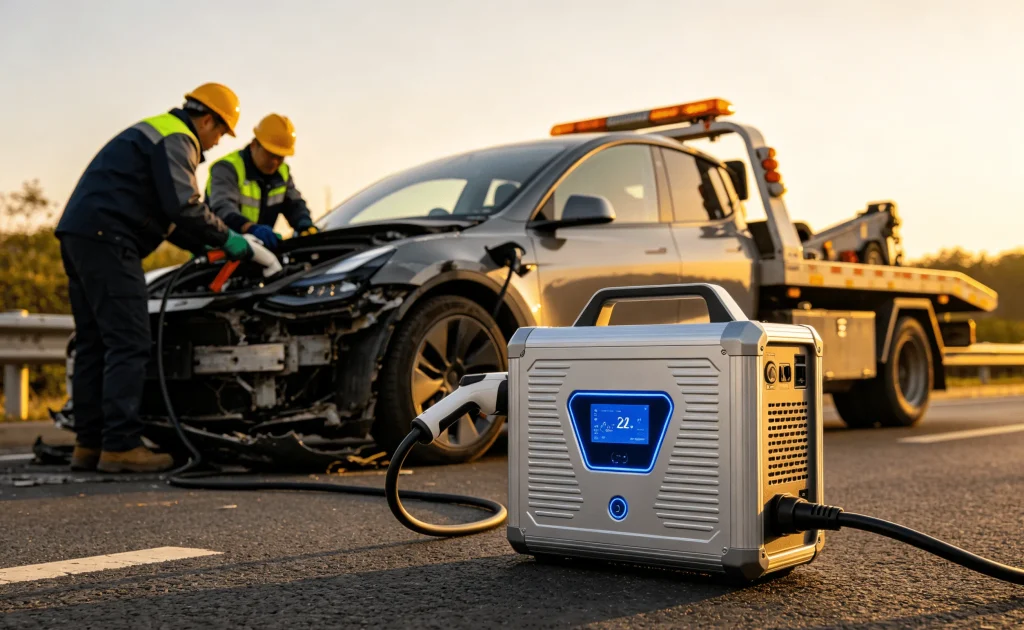
The evolution of EV batteries is central to reducing charging time. New chemistries, advanced cell architectures, and improved thermal management allow faster energy replenishment without compromising battery life.
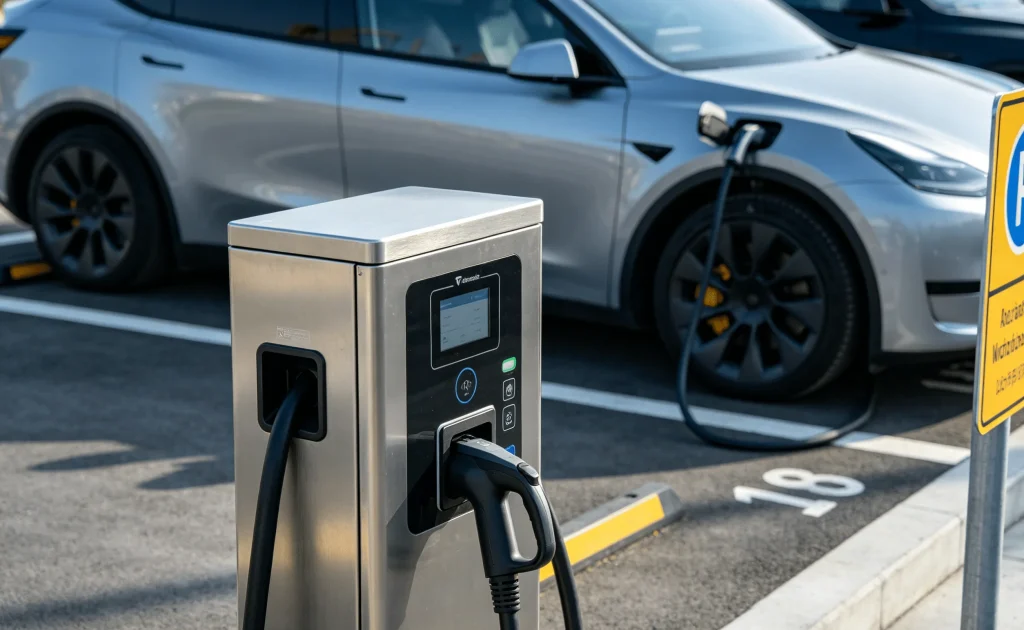
EV drivers often face the question of whether to use fast or slow charging, each with advantages and trade-offs. While fast charging reduces immediate session time, slow charging
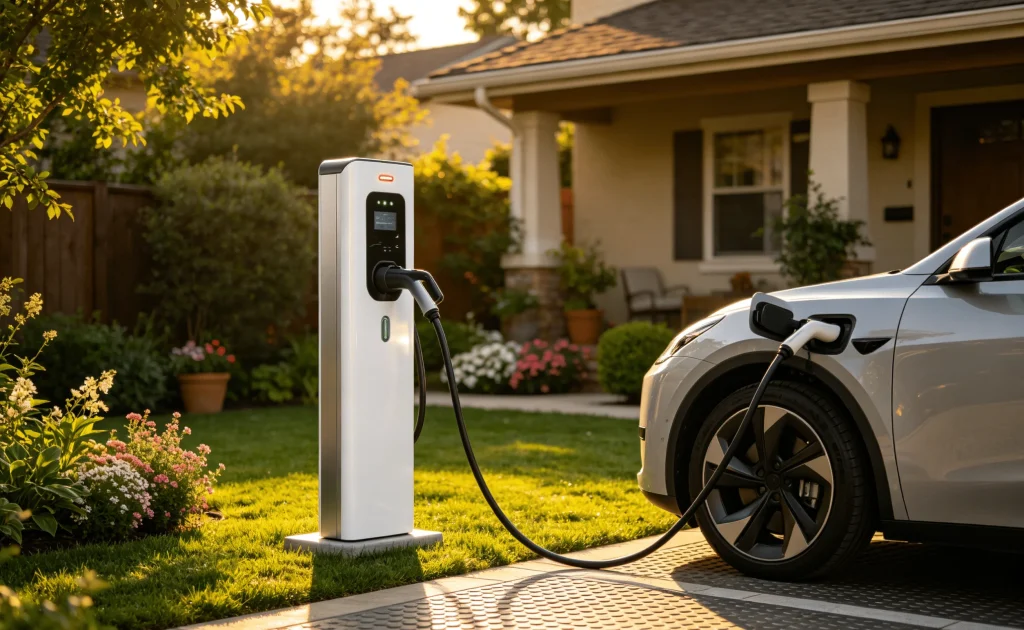
The performance of electric vehicle charging stations is closely linked to the stability and responsiveness of the electrical grid. Grid limitations, power fluctuations, and peak demand periods can
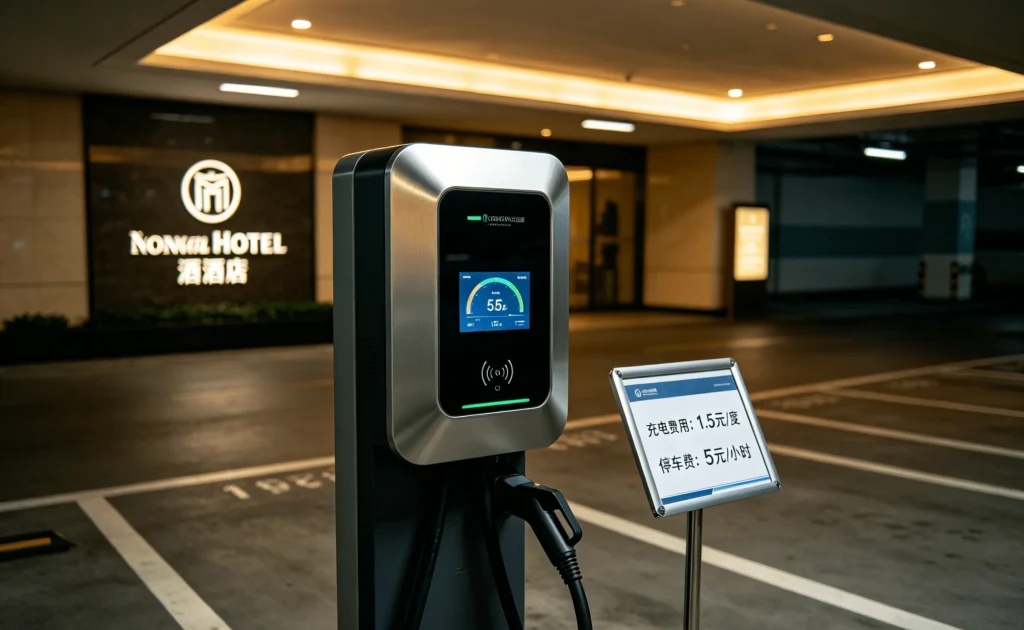
Electric vehicle adoption is growing rapidly, and public charging networks face increasing demand. While fast-charging stations can significantly reduce session times, another critical factor is the waiting time
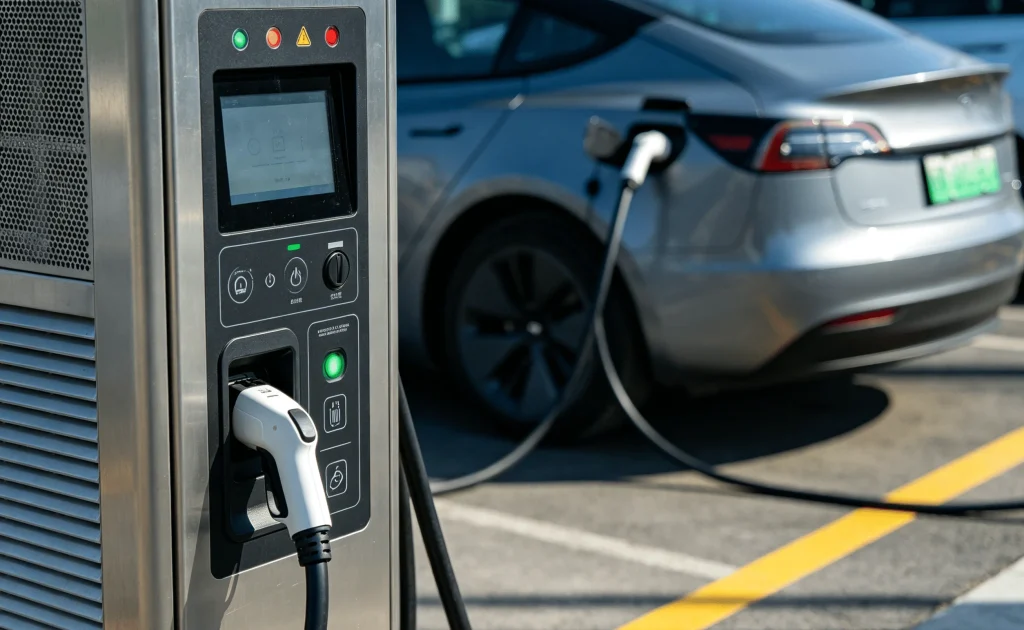
The efficiency of electric vehicle charging is influenced by a multitude of factors beyond the power rating of the charger. Understanding these variables is crucial for EV operators
Electric vehicle performance, particularly charging efficiency, is significantly affected by environmental conditions. During winter, lower ambient temperatures can slow down the charging process, causing concern for EV owners
The rapid adoption of electric vehicles (EVs) has placed an increasing emphasis on the efficiency and convenience of charging infrastructure. Among the many factors influencing the user experience,
Our experts are ready to help you build the right solution for your business.