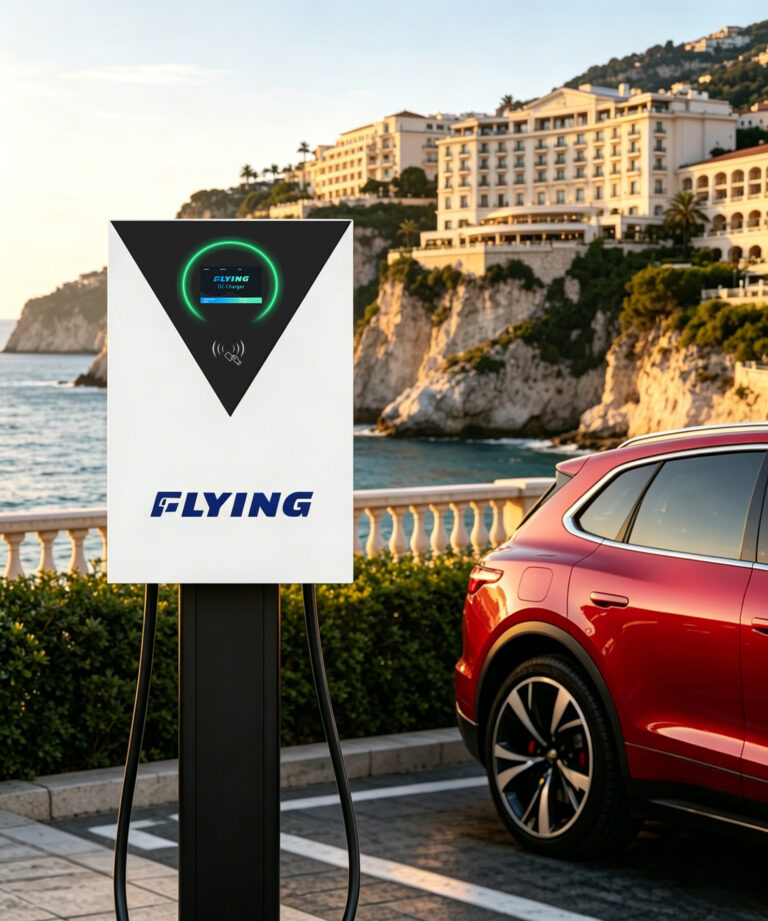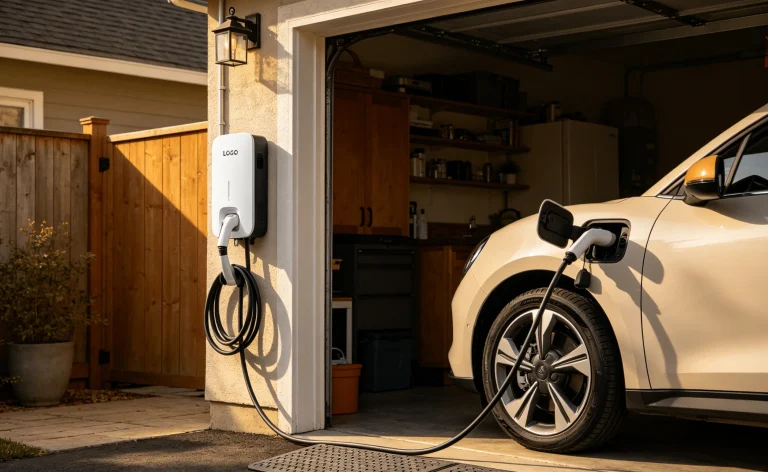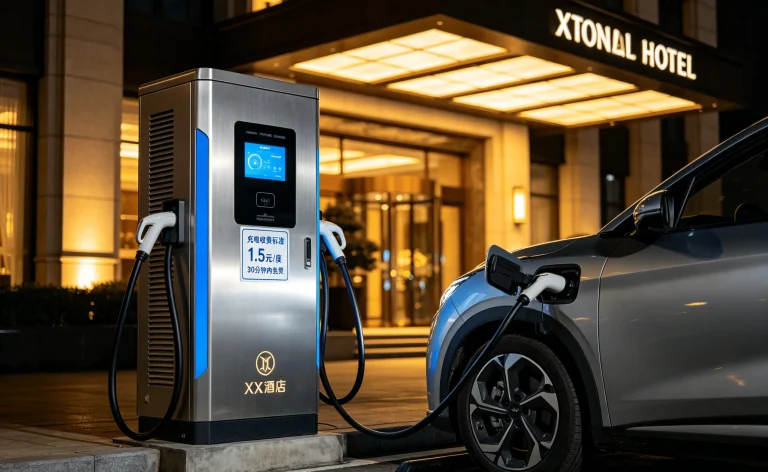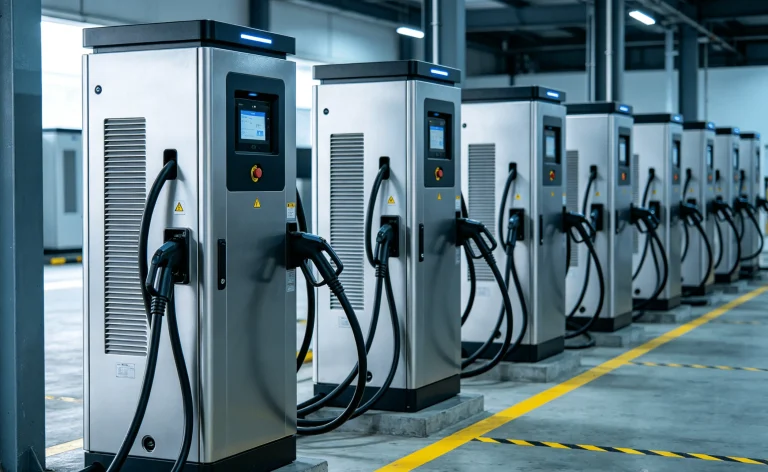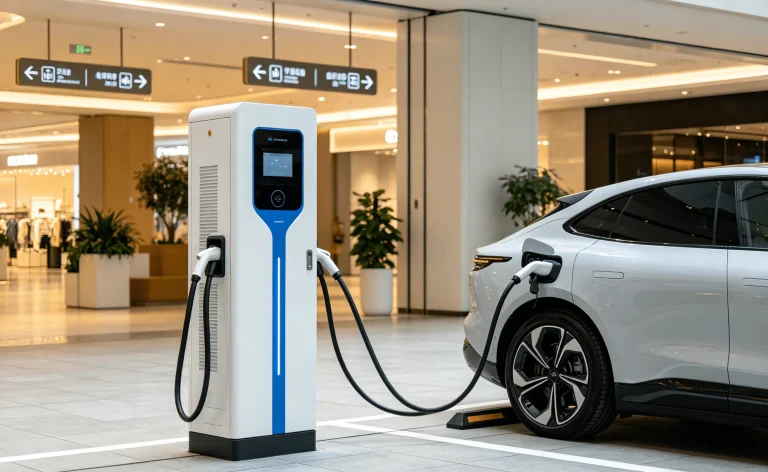
Ultra-fast EV charging at fuel stations requires robust utility planning. High-power DC chargers, often exceeding 150 kW, demand substantial electrical capacity and advanced load management to ensure consistent performance without affecting other station operations.
Grid interconnection is the first challenge. Many older stations must upgrade transformers and circuit breakers to accommodate high current. Submetering and dedicated feeders can isolate EV loads, protecting both the station and the grid. Renewable integration, such as on-site solar or energy storage, can further supplement power supply.
Dynamic load management systems optimize usage, distributing power efficiently among multiple charging stations. This prevents overloading while maintaining optimal charging speed, even during peak demand periods. Monitoring and predictive algorithms also allow operators to schedule maintenance proactively, minimizing downtime.
Space planning is equally important. Charger placement should avoid interfering with fuel pumps or pedestrian areas. Proper cable management, protective barriers, and accessibility for all users are essential for safety and compliance.
Operational benefits include enhanced customer satisfaction and increased station revenue. EV drivers appreciate reliable ultra-fast charging, especially during long trips, and are more likely to use associated retail services while charging.
In conclusion, integrating ultra-fast charging into gas station utilities is a complex but rewarding process. Careful planning, infrastructure upgrades, and smart load management ensure safety, efficiency, and profitability for both operators and users.