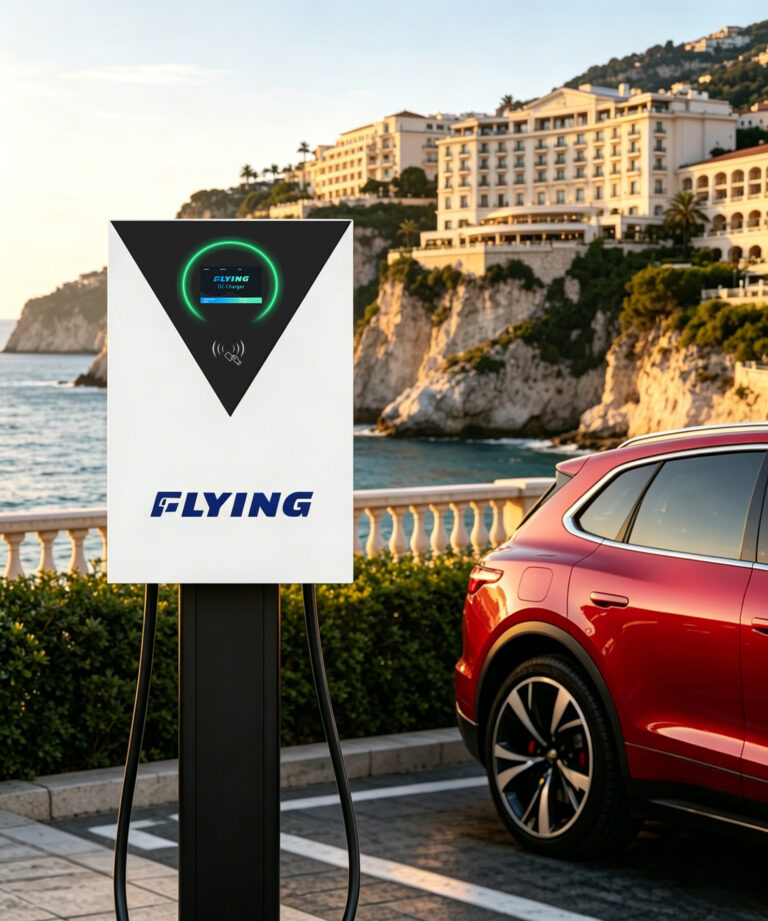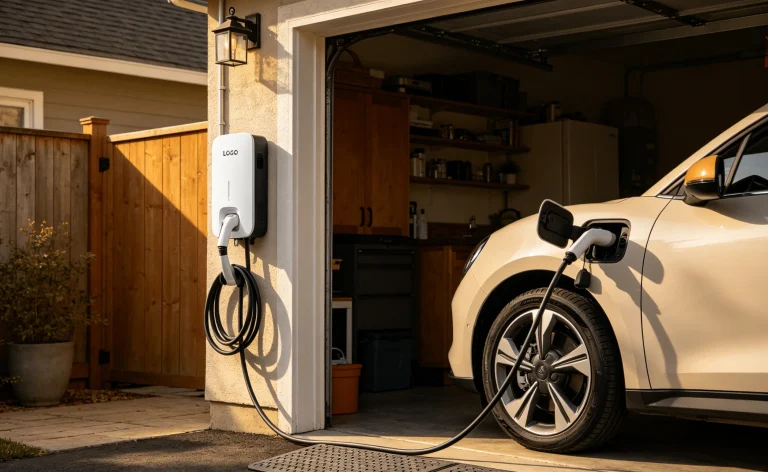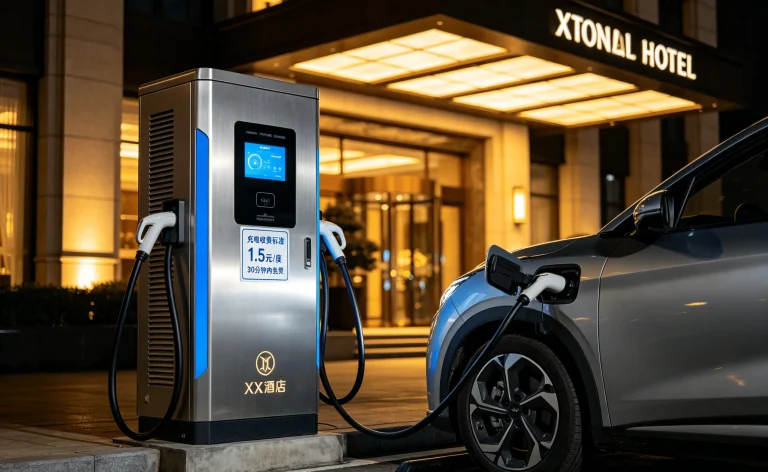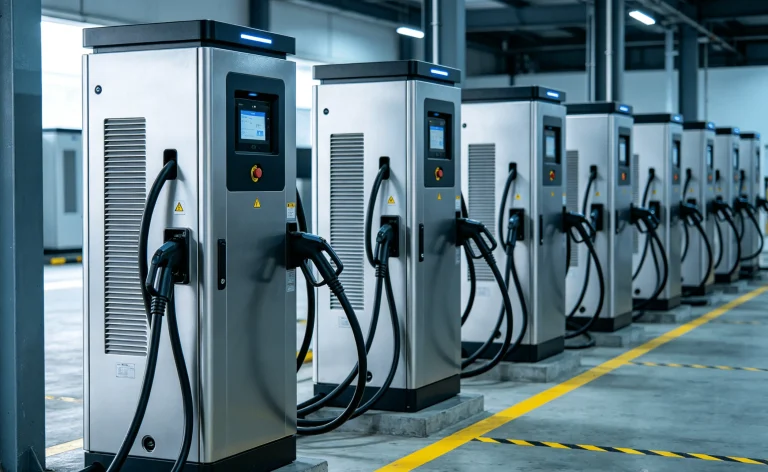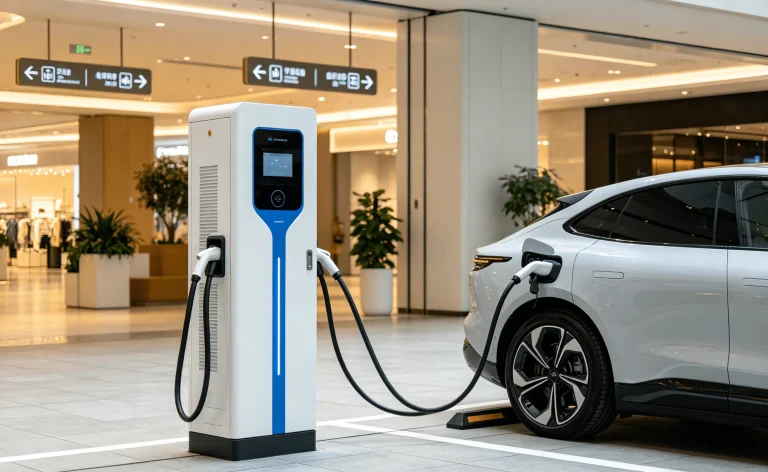
The transition from traditional fuel pumps to EV charging requires careful rethinking of gas station layouts. Efficient design ensures safety, optimizes traffic flow, and maximizes charger utilization while maintaining customer convenience.
Key considerations include accessibility, separation of fuel and charging zones, and visibility. Chargers should be placed in easily reachable areas without obstructing vehicular movement or pedestrian paths. Clear signage and lighting enhance navigation and reduce the risk of accidents.
Electrical infrastructure must be integrated seamlessly. Each charging bay requires proper grounding, dedicated circuits, and protective measures against overloads or electrical faults. Modular charger designs allow operators to expand the network as demand grows.
Software plays a crucial role in layout planning. Real-time occupancy monitoring and mobile apps can direct users to available stations, reducing queuing and congestion. Data-driven layout optimization can identify underutilized areas and inform future expansions.
In conclusion, thoughtful layout design is essential for EV charging integration at fuel stations. By balancing safety, accessibility, and operational efficiency, stations can provide a smooth charging experience while maintaining traditional fueling operations.