
Electric vehicle adoption is growing rapidly, and public charging networks face increasing demand. While fast-charging stations can significantly reduce session times, another critical factor is the waiting time drivers experience due to station congestion. Smart scheduling systems provide a solution, optimizing both charging duration and user convenience.
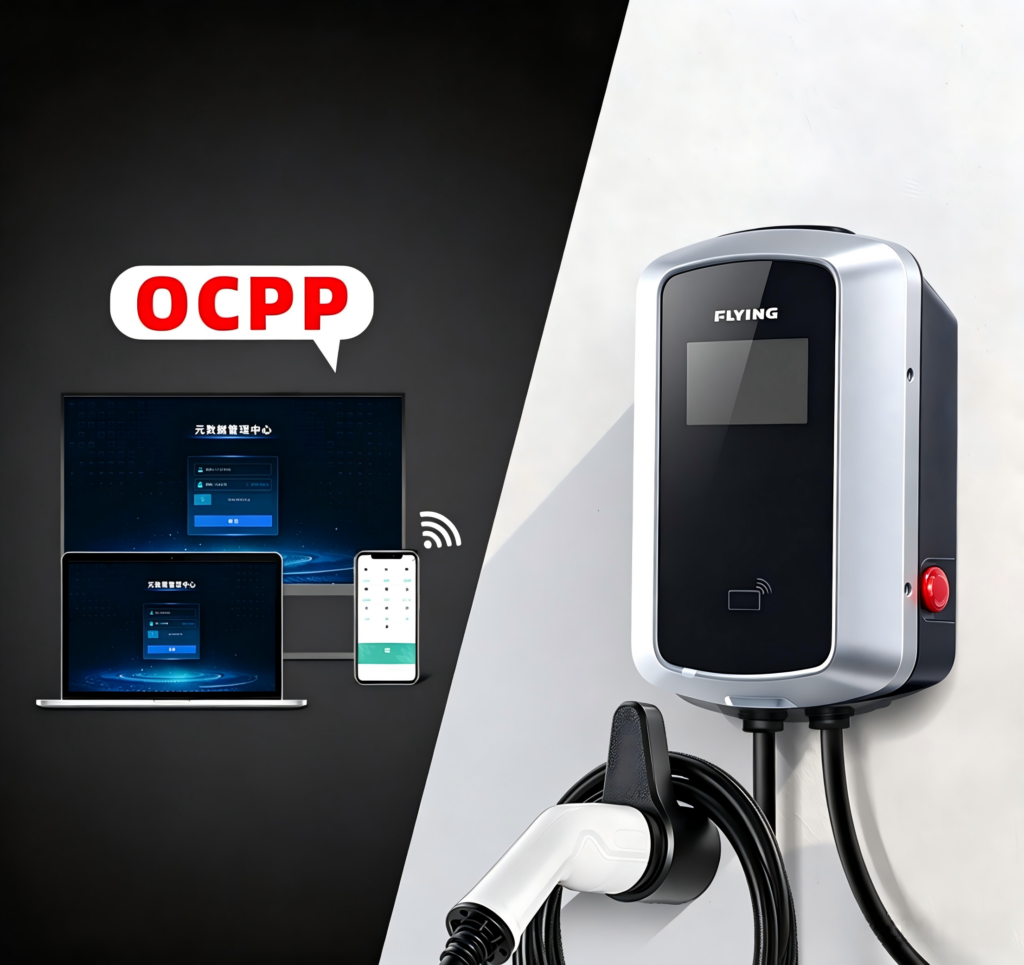
Modern charging management platforms use predictive algorithms to balance load and schedule charging sessions efficiently. By analyzing historical usage data, real-time station occupancy, and energy availability, these systems can allocate charging slots dynamically. Drivers may be directed to the nearest available charger or offered an optimal time for a session, reducing both idle time and queuing delays.
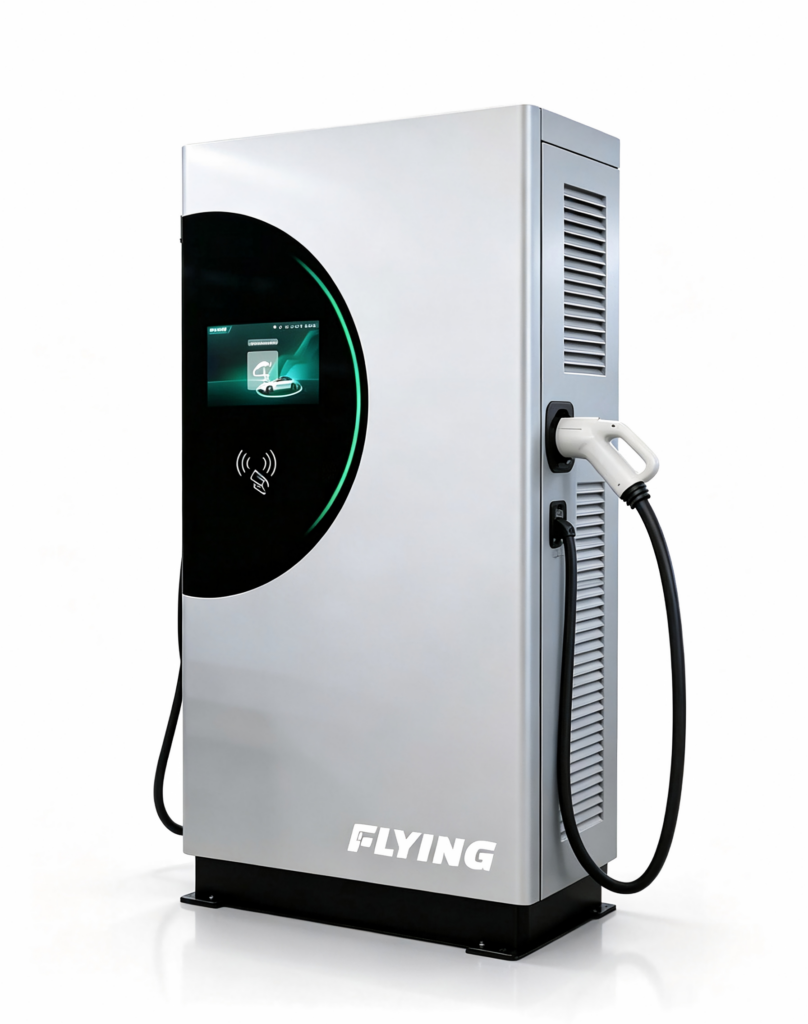
Smart scheduling also benefits operators by minimizing peak load on the grid. For instance, a station with multiple DC fast chargers may experience high simultaneous demand during evening hours. Load-balancing algorithms distribute the power to ensure consistent charging speeds, preventing a single vehicle from monopolizing capacity while others experience slowdowns.
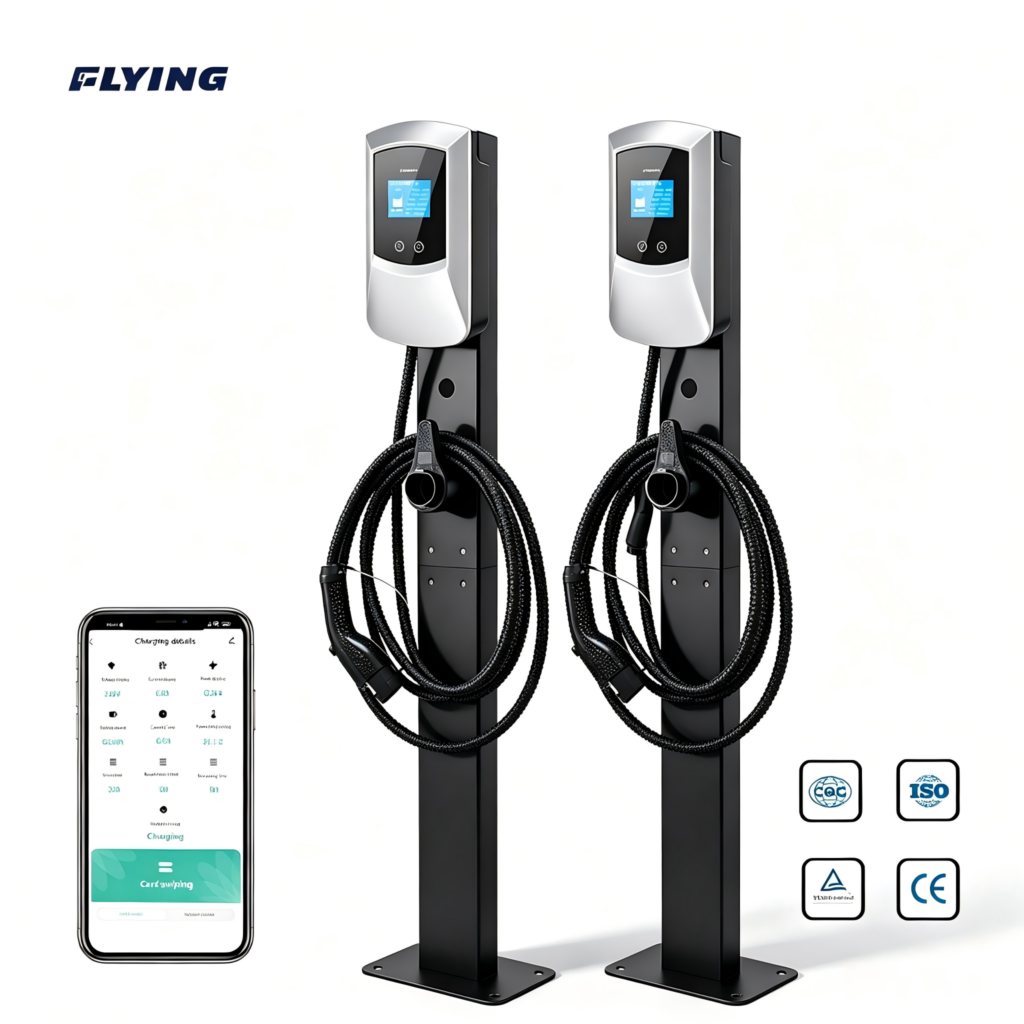
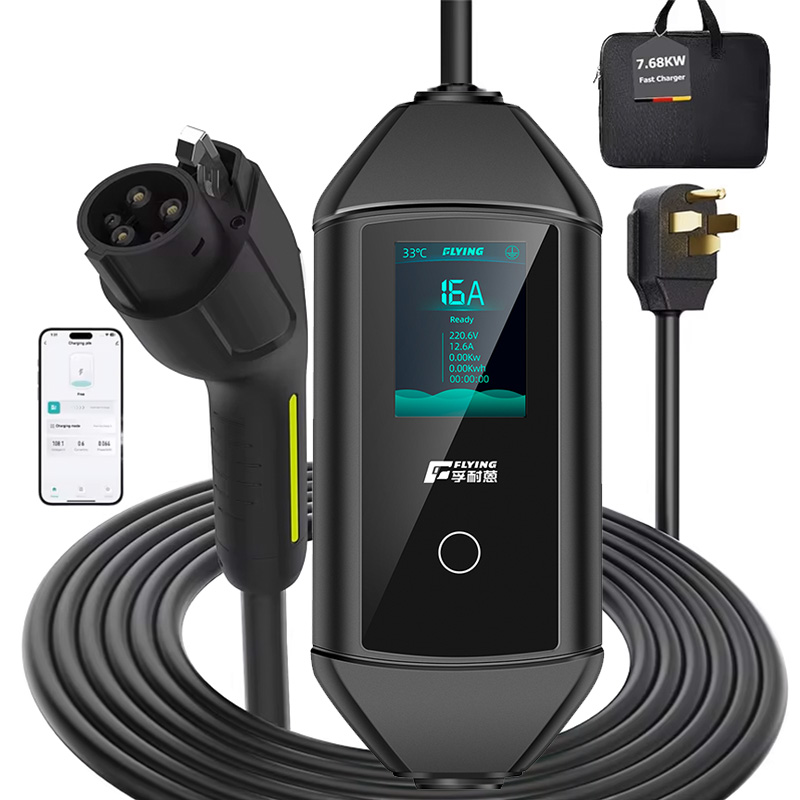
Integration with mobile applications allows drivers to reserve charging slots ahead of time. This system increases predictability and satisfaction while encouraging efficient use of available resources. Fleet operators particularly benefit from these tools, as they can manage multiple vehicles’ charging schedules without overloading the station or grid.
In practice, studies show that intelligent scheduling can reduce average waiting times by 20–40%, depending on network density and demand patterns. This translates into a measurable improvement in overall trip efficiency, particularly for long-distance travel or delivery fleets.
Ultimately, smart scheduling enhances the value of fast-charging networks by addressing the often-overlooked factor of waiting time. Combining rapid charging hardware with intelligent software solutions ensures a seamless, reliable, and user-friendly charging experience.