
Electric vehicle performance, particularly charging efficiency, is significantly affected by environmental conditions. During winter, lower ambient temperatures can slow down the charging process, causing concern for EV owners planning long trips or relying on fast-charging infrastructure. Understanding how cold weather influences charging times is essential for optimizing both daily use and fleet operations.
Battery chemistry is highly temperature-sensitive. Lithium-ion batteries, which power the majority of EVs, experience increased internal resistance at low temperatures. This reduces the efficiency of electron flow, resulting in slower charging rates. In extreme cases, charging speed can be halved, particularly when the battery is near its minimum SOC. Additionally, cold batteries may trigger thermal management systems to preheat cells before fast charging can begin, further extending the total session time.
Vehicle manufacturers have implemented strategies to mitigate these effects. Pre-conditioning the battery, which warms the cells to an optimal temperature while the vehicle is still plugged in, has become a standard feature. This ensures the battery can accept higher charging currents immediately upon arrival at a fast-charging station. Some EVs also employ active heating during the charging process, using resistive elements or heat pumps, which balances the trade-off between speed and battery longevity.
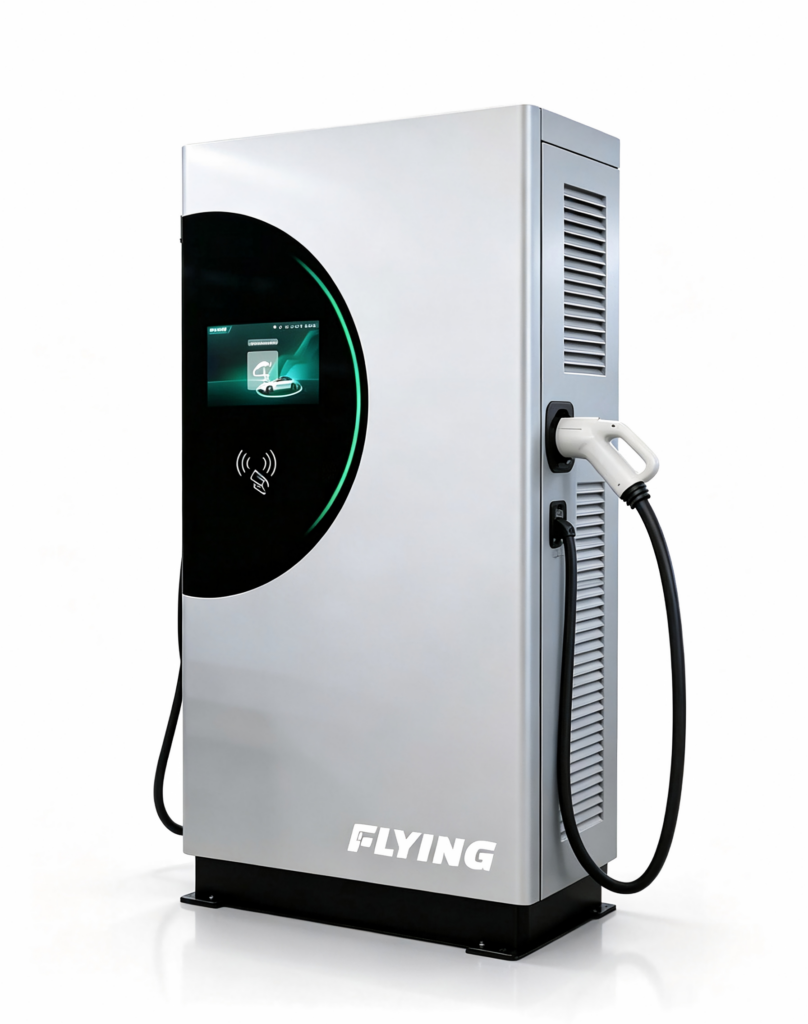
Operational data from fleets operating in northern climates illustrates the real-world impact. A mid-range EV charging at a 150 kW DC fast charger can take approximately 30–35 minutes to reach 80% SOC in mild conditions. In sub-zero environments, the same session may extend to 45–55 minutes unless pre-conditioning is employed. This discrepancy emphasizes the importance of driver awareness and smart planning in winter months.
Charging infrastructure operators are also responding with solutions to maintain efficiency. Some fast-charging stations feature on-site battery pre-heating or pre-conditioning features that communicate with the vehicle through standard protocols like ISO 15118. Furthermore, software management systems can prioritize charging schedules to avoid peak demand and ensure batteries are within the optimal temperature window.
In conclusion, winter conditions do influence EV charging times, but with smart battery management, pre-conditioning, and operator coordination, the impact can be mitigated. EV owners should consider environmental factors when planning routes, and operators should leverage technology to maintain predictable charging performance. As the industry continues to innovate, winter charging efficiency is expected to improve, ensuring reliable and fast service year-round.