
The efficiency of electric vehicle charging is influenced by a multitude of factors beyond the power rating of the charger. Understanding these variables is crucial for EV operators and fleet managers aiming to optimize uptime and enhance the user experience. Here, we highlight the five most significant factors affecting charging time.
- Battery State-of-Charge (SOC)
The current SOC plays a critical role in charging efficiency. Most EVs charge faster when the battery is between 20% and 80% SOC. Beyond this range, the charging current tapers to prevent degradation, leading to longer session times. - Battery Chemistry and Age
Different chemistries exhibit distinct charging characteristics. Lithium iron phosphate (LFP) batteries, for instance, handle higher currents differently than nickel-manganese-cobalt (NMC) cells. Moreover, as batteries age, their internal resistance increases, which can extend charging times. - Ambient Temperature
Temperature has a direct effect on battery conductivity. Cold weather slows charging due to higher internal resistance, whereas extremely high temperatures may trigger thermal protection mechanisms, both prolonging the session. - Charger Power Rating and Compatibility
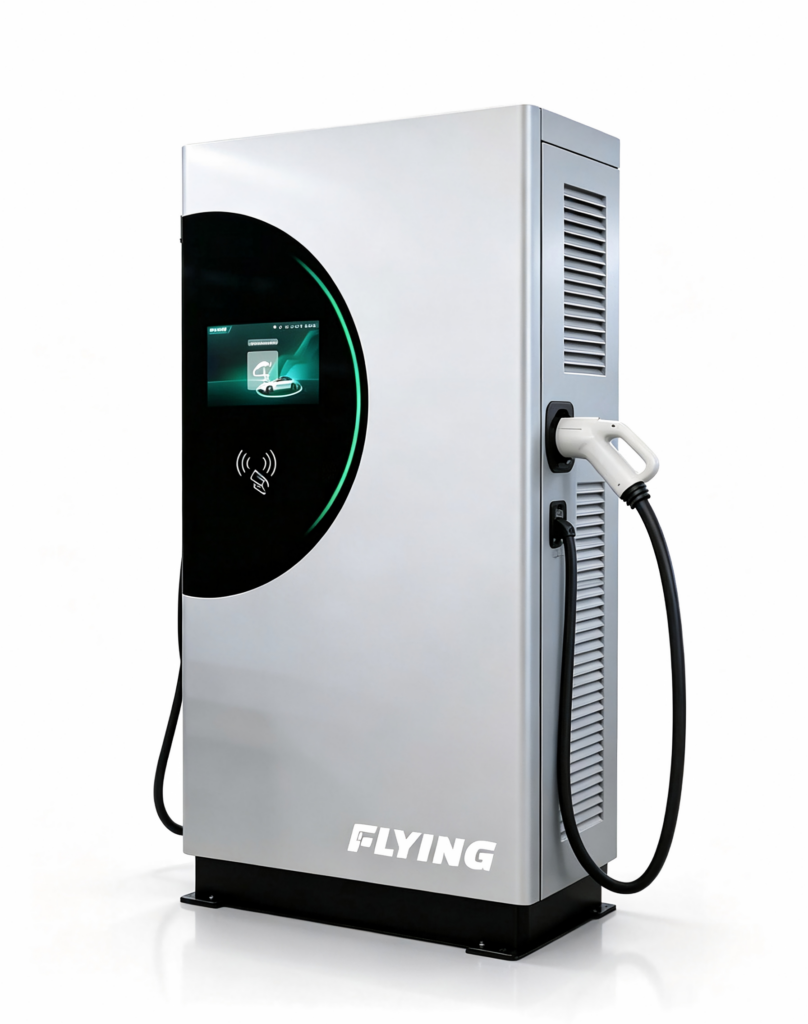
High-power DC fast chargers reduce session time, but the vehicle’s onboard systems must support the power levels. Older or lower-tier EV models may not fully utilize a 150 kW charger, limiting potential speed gains. - Grid Stability and Load Management
Power fluctuations or high simultaneous demand at charging hubs can reduce the effective current delivered to each vehicle. Intelligent load management systems can mitigate these effects by balancing multiple charging sessions and optimizing grid interaction.
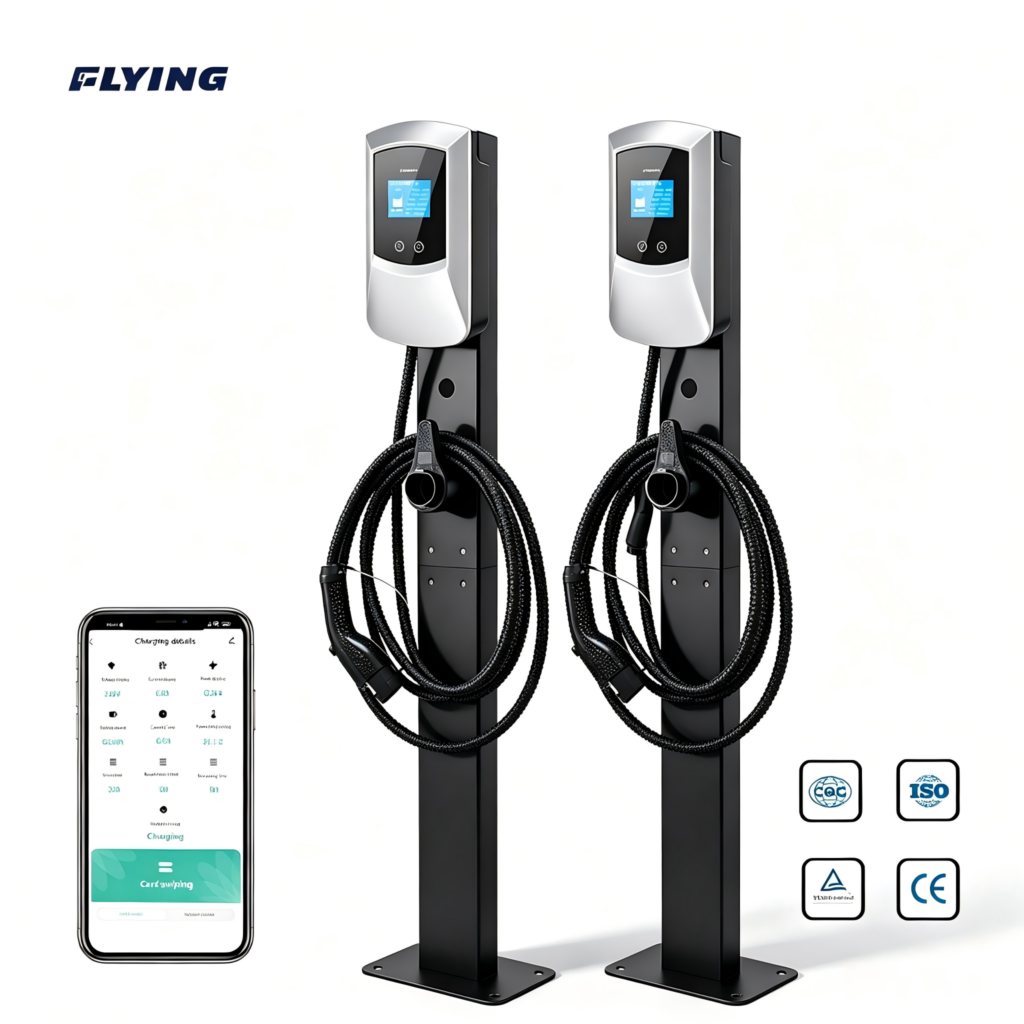
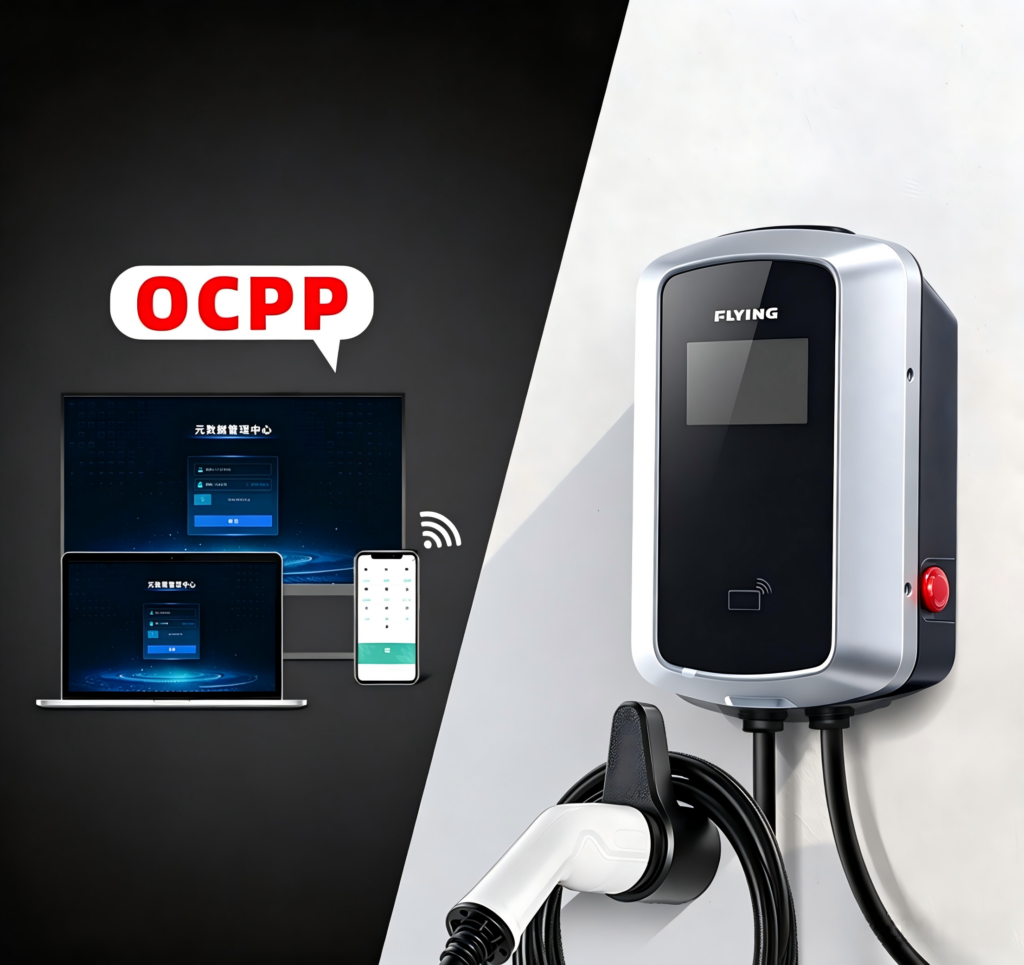
Optimizing these factors requires both hardware and software solutions. Smart chargers with real-time monitoring, coupled with predictive algorithms, allow operators to forecast charging demand, reduce wait times, and improve overall network efficiency. Furthermore, educating users about optimal charging practices can improve individual session efficiency.
In summary, EV charging time is not solely determined by the charger’s power. Battery characteristics, environmental conditions, vehicle compatibility, and grid management all contribute. Operators and users must consider these elements to ensure efficient and reliable charging experiences.