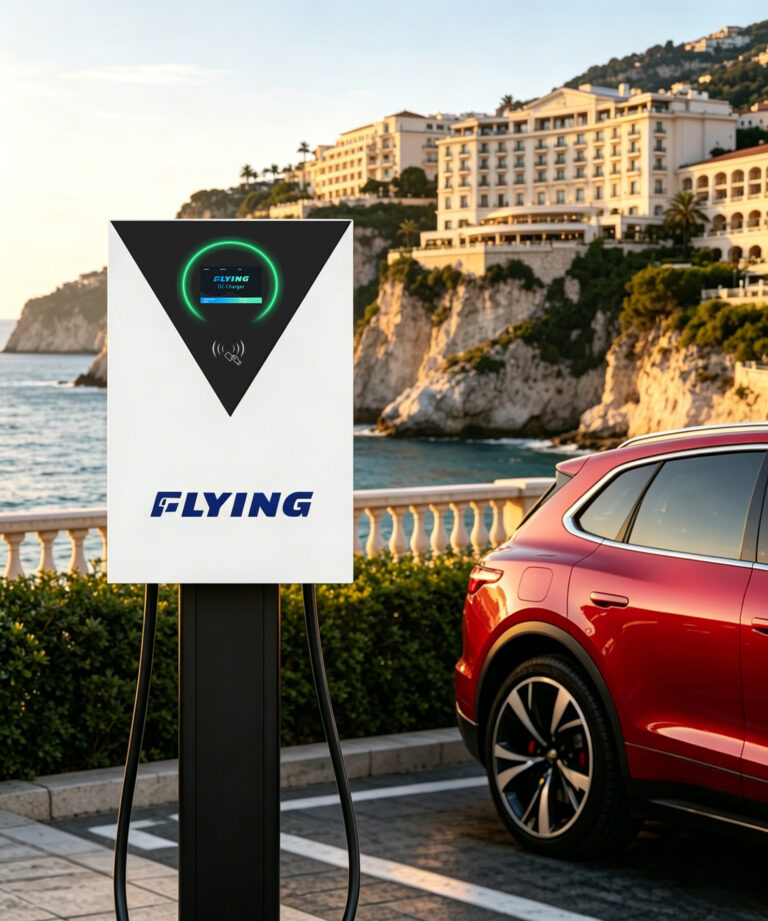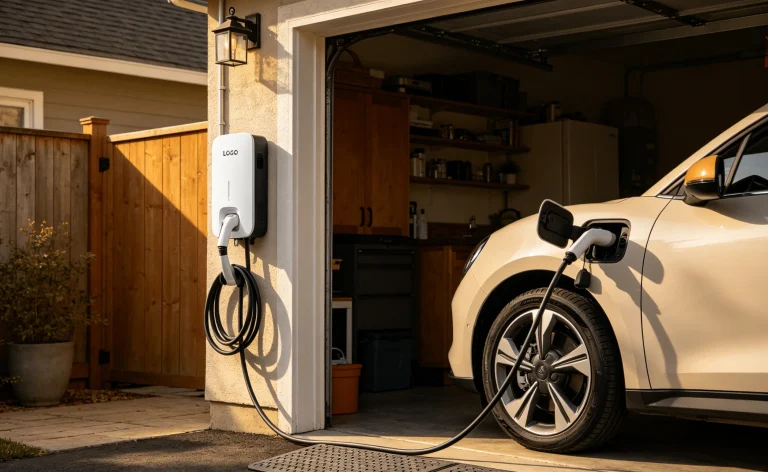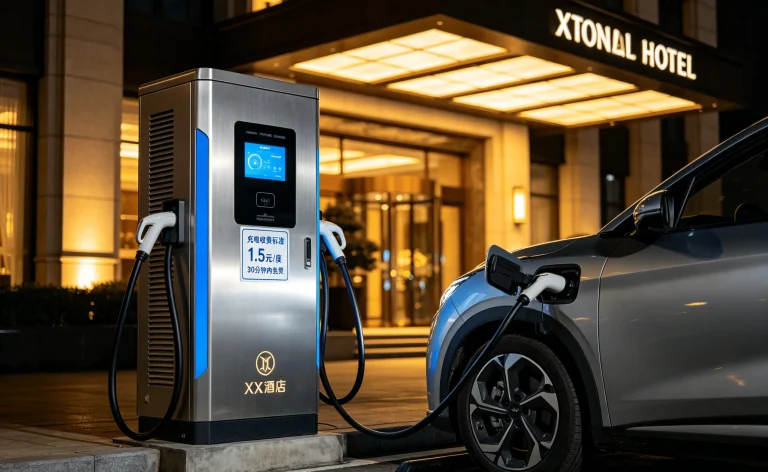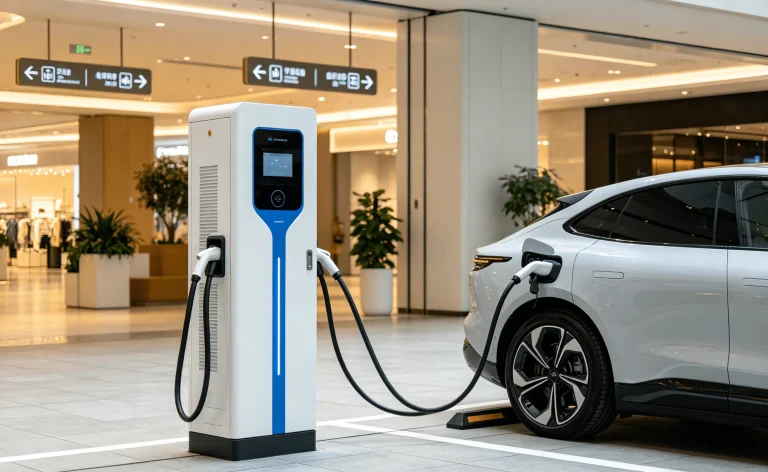
The rapid growth of electric vehicles (EVs) has created a pressing demand for reliable and efficient charging infrastructure in commercial properties. Office buildings, shopping centers, and mixed-use developments are uniquely positioned to host EV chargers, offering convenience for tenants and visitors while opening new revenue streams for property owners. Transforming existing commercial buildings into EV charging hubs requires strategic planning, robust infrastructure, and integration with building management systems.
Retrofitting a commercial property for EV charging involves multiple considerations. Site planners must evaluate available parking spaces, electrical capacity, and load distribution to determine the optimal placement of chargers. High-demand areas, such as employee parking lots and visitor entrances, often require priority installation. Ensuring compliance with local building codes and safety regulations is essential, including fire safety, cable management, and accessibility requirements.
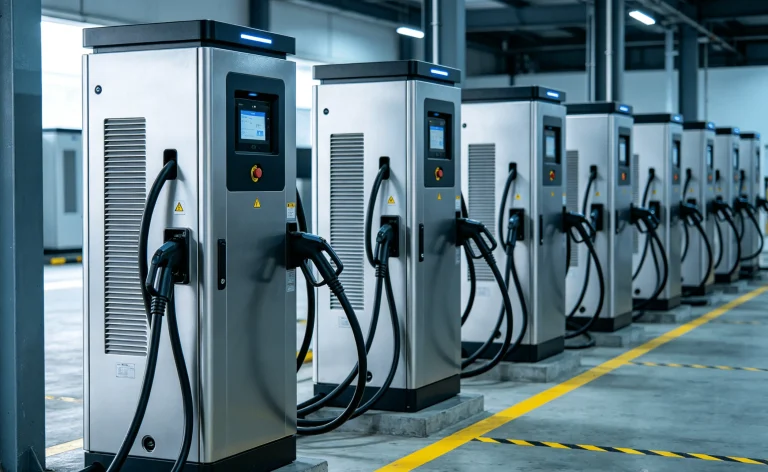
Scalable solutions are critical. Deploying modular charging stations allows property owners to expand capacity as demand grows. For instance, a commercial building may start with 10–20 charging points and gradually expand to 50 or more. This flexibility not only addresses immediate needs but also future-proofs the building against increasing EV adoption.
Integration with smart building systems can enhance efficiency and reduce operational costs. Charging stations can be connected to the building’s energy management system to optimize power usage, schedule charging during off-peak hours, and reduce peak load impact. Renewable energy integration, such as solar panels combined with battery storage, further supports sustainability goals and reduces energy expenses.
Tenant engagement is another key factor. Building owners can promote charging adoption through educational campaigns, incentive programs, and transparent billing or subscription options. Providing app-based reservation systems ensures a smooth experience, minimizes wait times, and increases user satisfaction.
Case studies have shown that well-planned commercial charging infrastructure not only attracts environmentally conscious tenants but also strengthens the property’s market value. Offering EV charging demonstrates a forward-thinking approach and positions buildings as leaders in sustainability.
In conclusion, transforming commercial buildings into EV charging hubs is a multi-faceted process involving infrastructure planning, smart integration, tenant engagement, and regulatory compliance. As EV adoption accelerates, commercial properties that embrace these solutions can offer significant benefits to occupants, operators, and the broader community.