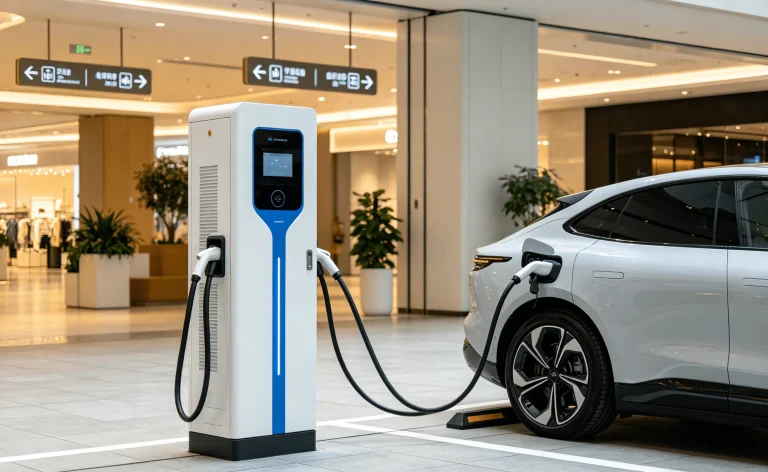
Safety and compliance are central to the deployment of EV charging infrastructure in commercial properties. Property owners must navigate a complex landscape of building codes, electrical standards, and safety regulations to ensure reliable and legal operation.
Key considerations include electrical capacity, fire safety, cable management, and accessibility. Charging stations must be installed in a way that prevents hazards such as overheating, short circuits, or tripping risks. Proper labeling, signage, and emergency shut-off mechanisms are required by most local regulations.
Compliance also involves interoperability standards. Adhering to protocols such as OCPP (Open Charge Point Protocol) ensures compatibility with different vehicles, software platforms, and energy management systems. This protects both users and operators from operational issues.
Regular maintenance and inspection schedules are critical. Commercial buildings must establish a program to test electrical components, update software, and inspect physical infrastructure. This reduces downtime, prevents accidents, and ensures long-term reliability.
Insurance and liability considerations are another factor. Building owners should work with insurers to understand coverage requirements for EV infrastructure and implement risk mitigation strategies.
In conclusion, compliance and safety are non-negotiable aspects of commercial EV charging deployment. By adhering to standards, conducting regular maintenance, and integrating robust management protocols, commercial properties can offer safe, reliable, and legally compliant charging services.