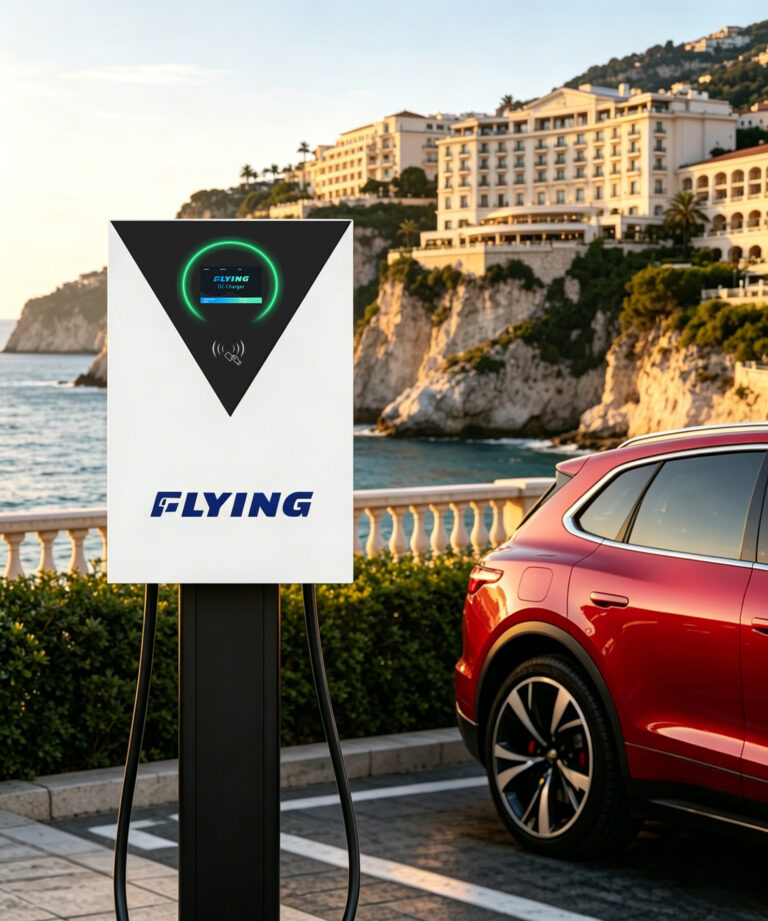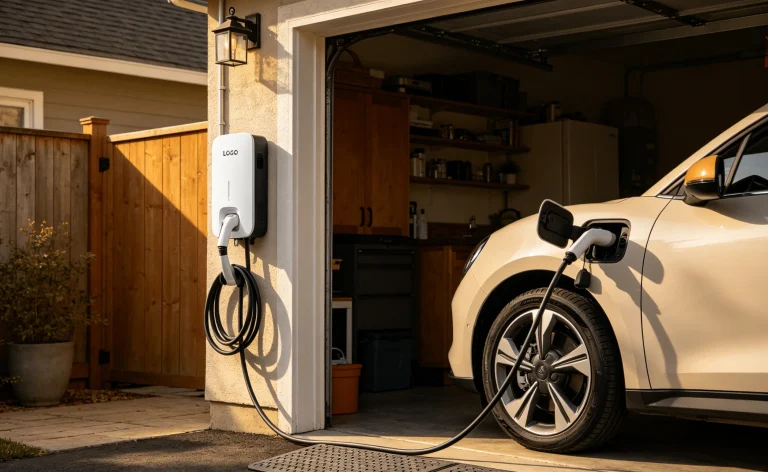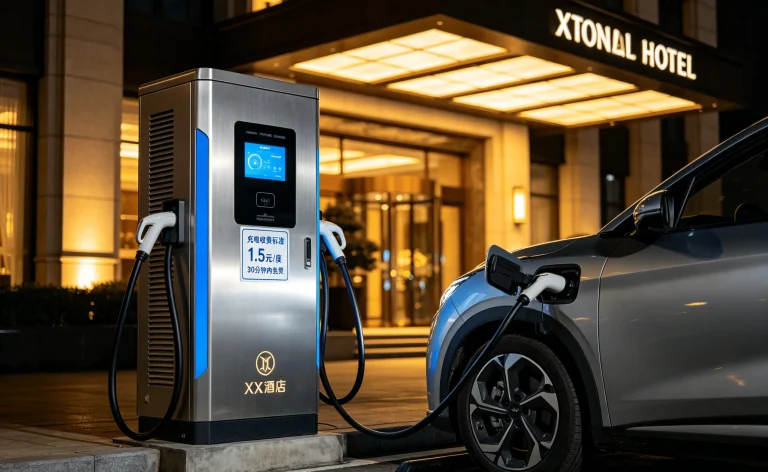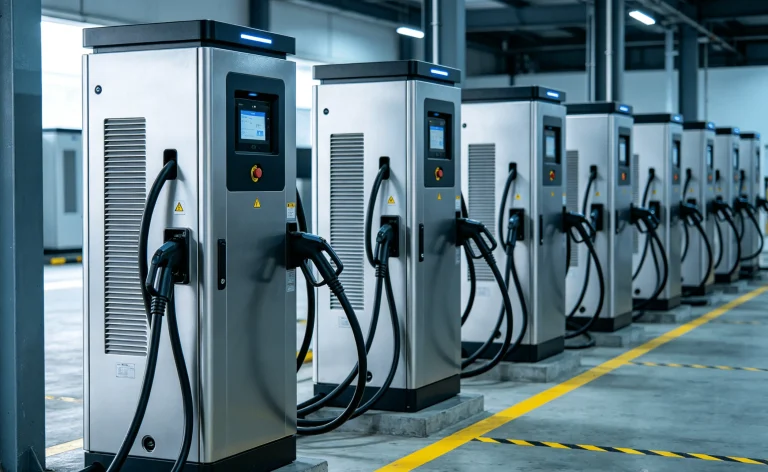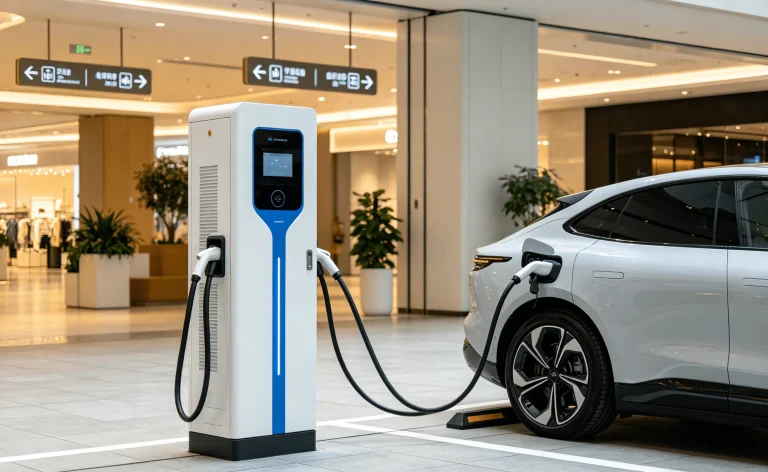
EV charging infrastructure is not only a service for tenants but also a revenue-generating asset for commercial property owners. Strategic implementation can unlock multiple monetization pathways.
One approach is direct billing. Tenants and visitors pay per kWh or per charging session, generating recurring income. Subscription models for employees or residents provide predictable cash flow and reduce administrative complexity.
Data services offer additional revenue opportunities. Insights on energy consumption, peak demand, and usage patterns can be sold to third parties or leveraged for internal operational optimization. Partnering with fleet operators, ride-hailing services, or corporate clients can create B2B revenue streams.
Co-branding and partnerships with EV manufacturers or charging network operators provide joint marketing opportunities and financial incentives. Advertising or loyalty rewards integrated with charging apps can further enhance revenue potential.
Finally, governments and municipalities often offer incentives or rebates for installing EV infrastructure, which can offset upfront costs and improve ROI.
In conclusion, EV charging in commercial properties can be a significant revenue source. By combining per-session billing, subscriptions, data services, and strategic partnerships, property owners can maximize both financial and operational benefits.