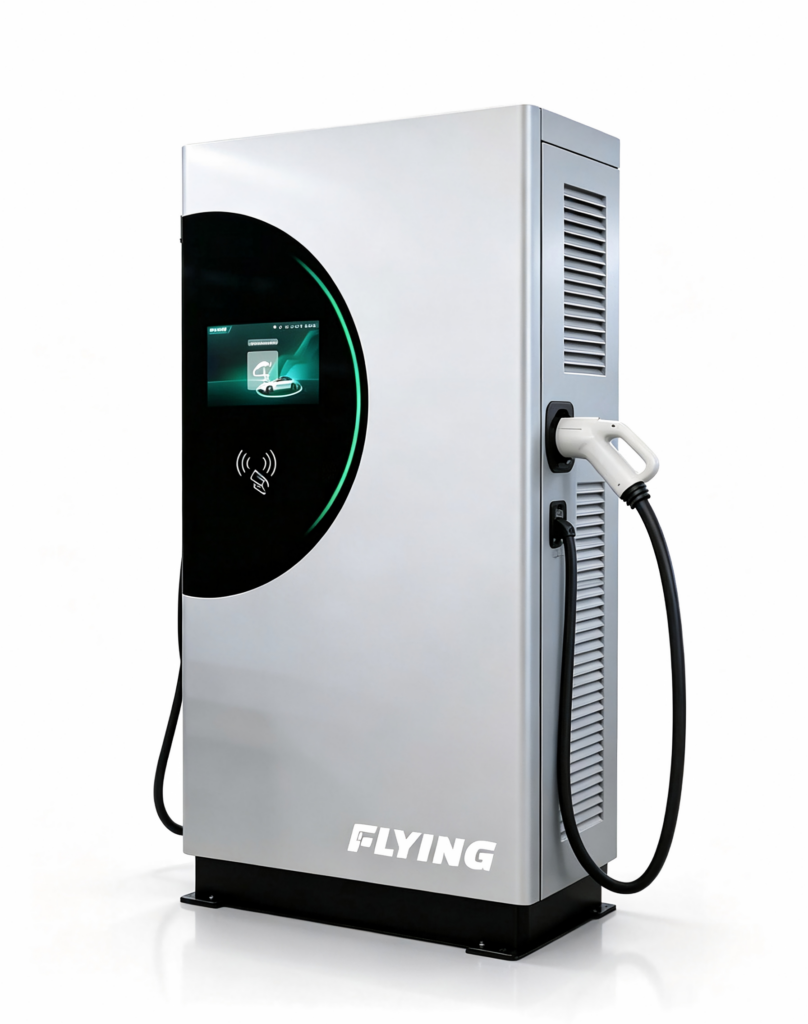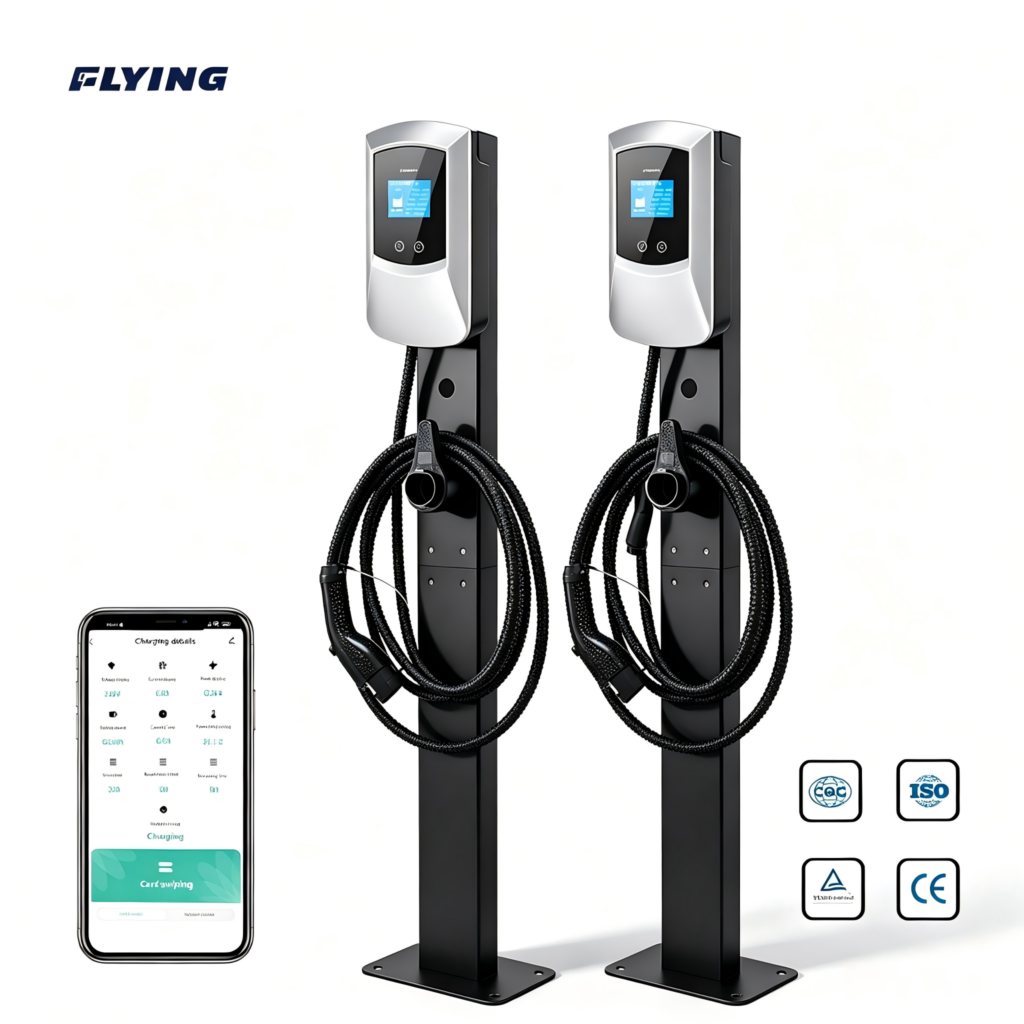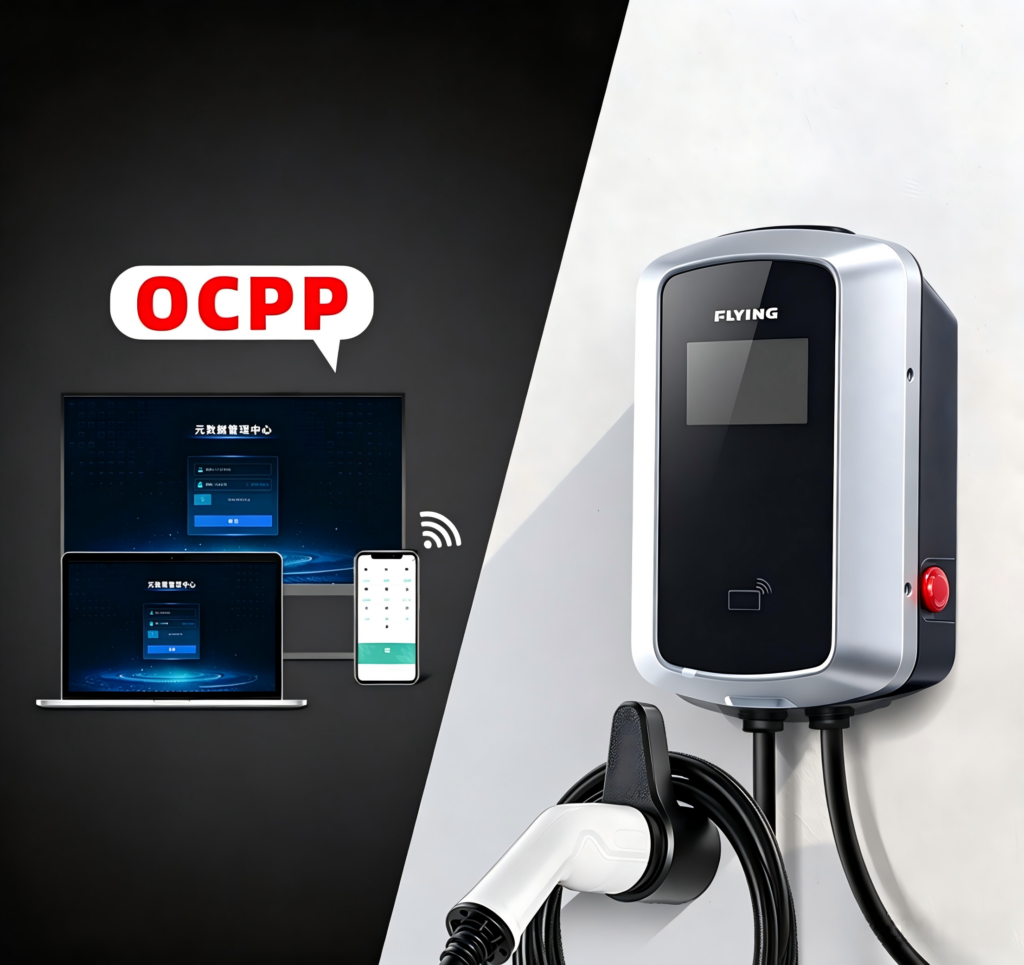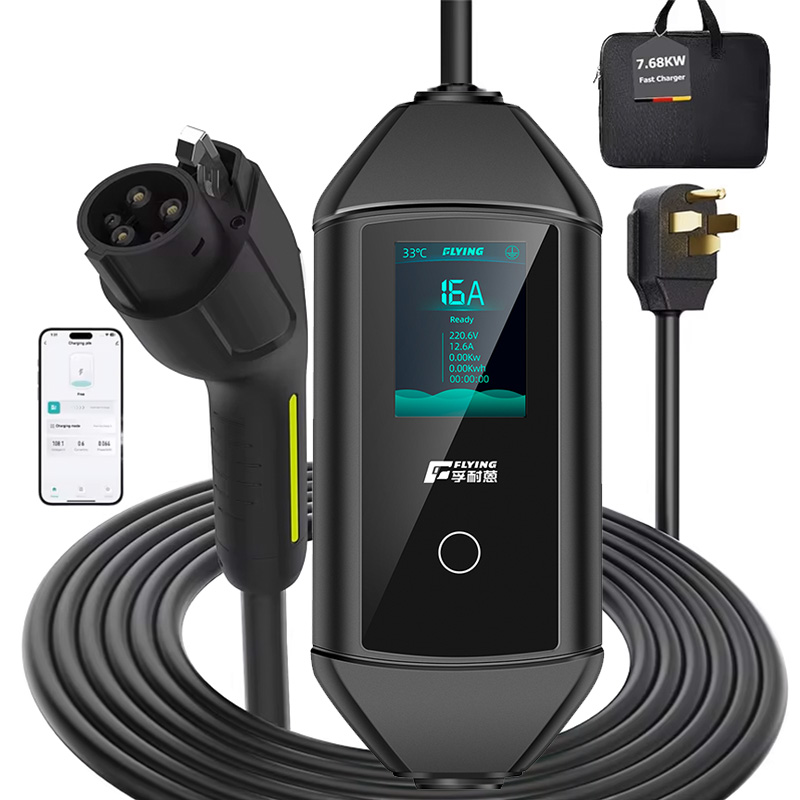

The rapid adoption of electric vehicles (EVs) has placed an increasing emphasis on the efficiency and convenience of charging infrastructure. Among the many factors influencing the user experience, charging time remains a critical parameter for both individual drivers and fleet operators. Fast charging technologies promise to significantly reduce the time required to recharge an EV, but how much do they actually impact the overall charging cycle?
Fast charging stations, typically offering power outputs ranging from 50 kW to 350 kW, can replenish a battery from 20% to 80% in as little as 15–40 minutes, depending on the battery chemistry and vehicle architecture. While these times are considerably faster than standard AC Level 2 charging, users often overlook the impact of other variables, such as battery state-of-charge (SOC), temperature, and the vehicle’s onboard charging limitations. For instance, some EV models automatically taper charging power as the battery approaches full capacity to prevent degradation, which can extend the total charging time.
Recent studies have highlighted that, in real-world scenarios, the actual reduction in total charging time is often less dramatic than marketing figures suggest. Factors such as queueing at public fast chargers, variable grid availability, and the efficiency of the vehicle’s thermal management system all play a role. Nevertheless, fast charging remains an essential component of public EV infrastructure, especially for long-distance travel and fleet operations where downtime directly impacts operational efficiency.
Additionally, integrating smart charging strategies and load management systems can further optimize charging time. By dynamically allocating power based on demand and grid conditions, EV operators can reduce waiting times and improve throughput without compromising battery health. This approach has been particularly effective in corporate fleets and public charging hubs, where simultaneous charging sessions often create peaks in electricity demand.
In conclusion, while fast charging technology significantly reduces the time needed to replenish battery capacity, it is only part of the equation. Comprehensive planning, including consideration of vehicle behavior, user patterns, and grid management, is necessary to truly minimize overall EV charging time. As the technology evolves and charging networks expand, EV drivers can expect progressively shorter and more predictable charging sessions, improving adoption and satisfaction.