
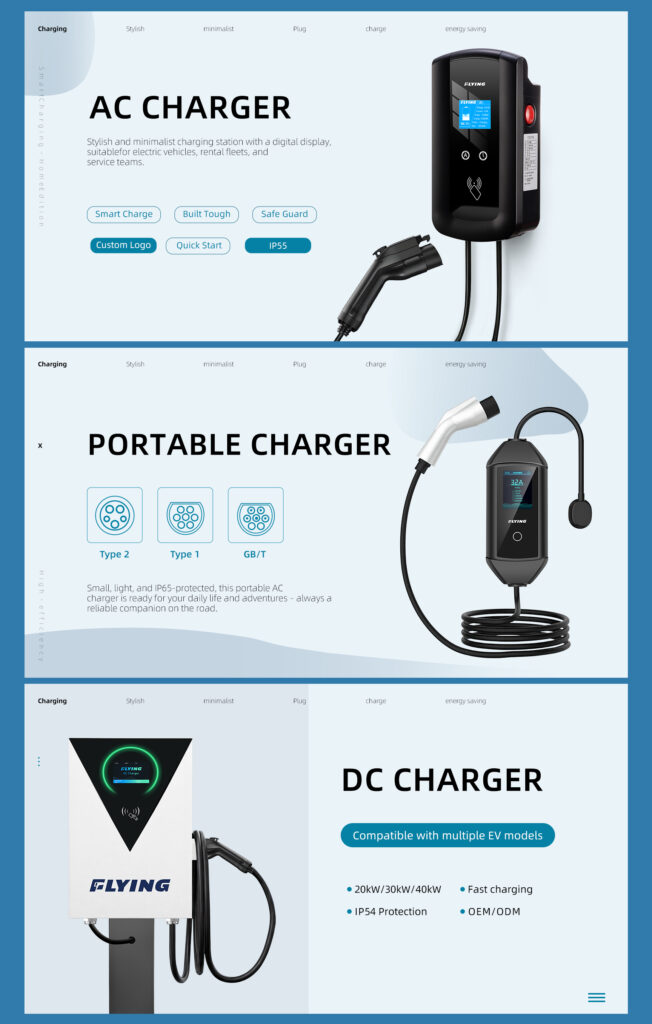
Daily charging mainly falls into three categories: home charging stations, public fast charging stations, and portable car chargers. Each is suited to different usage scenarios, and choosing the right charging method can slow down battery wear and tear.
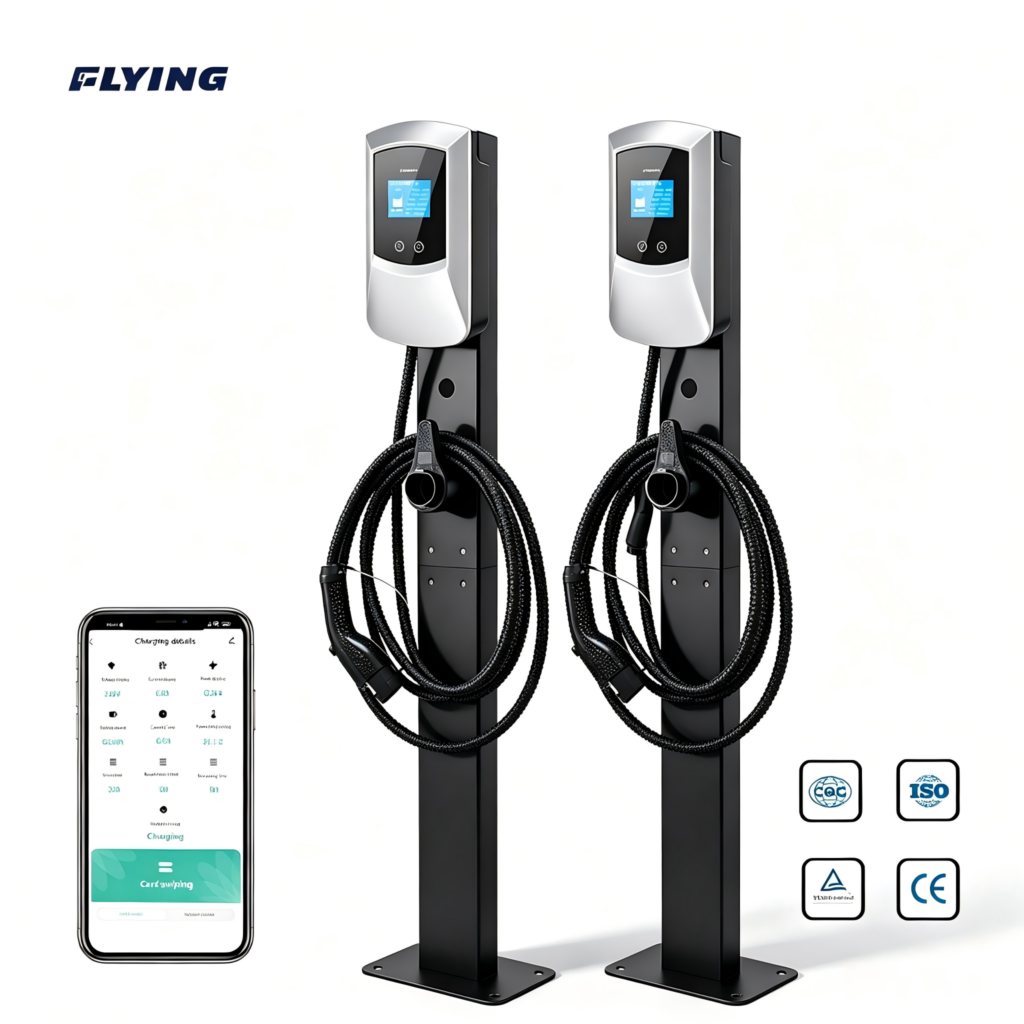
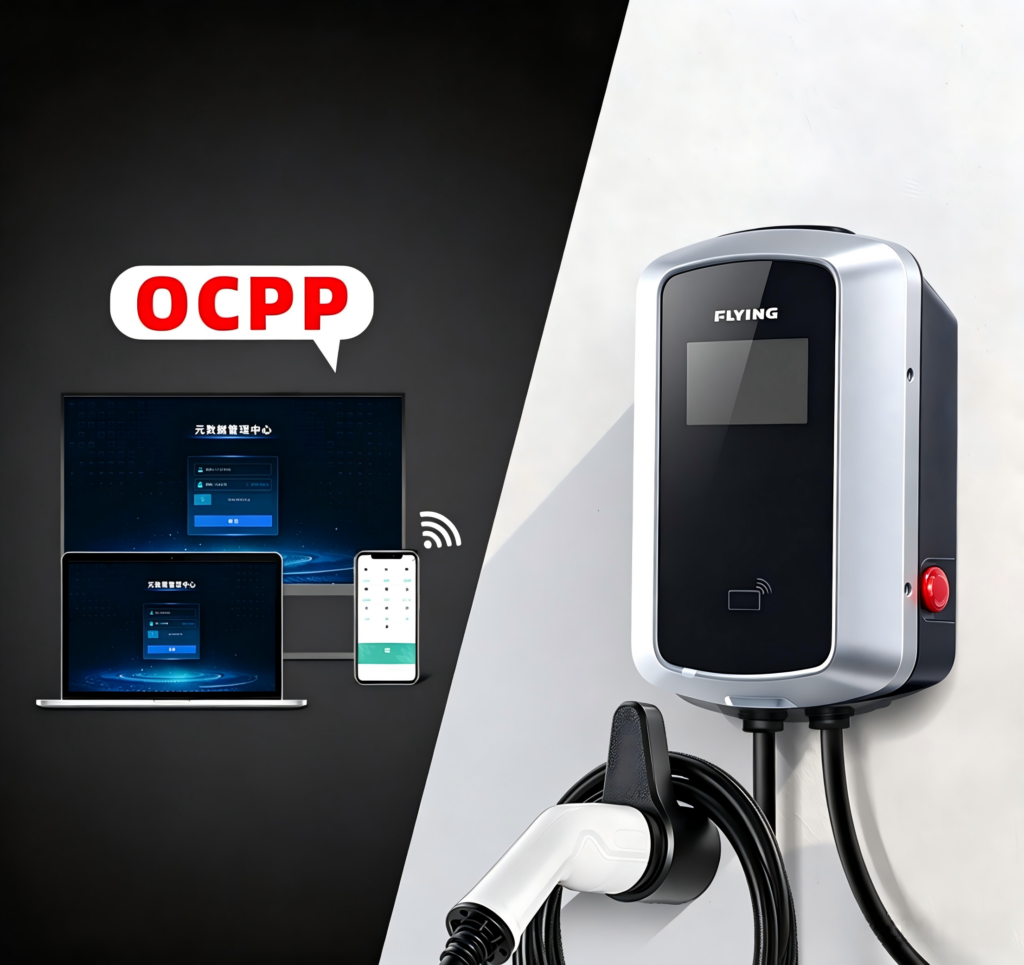
Home AC Charging Stations
Advantages: Slow charging current, minimal battery wear, suitable for overnight charging. Low electricity prices, no need to queue, unaffected by weather.
Disadvantages: Requires a fixed parking space and grid approval; cannot be taken on long trips. Slow charging speed, often taking 6-12 hours to fully charge the car.
Suitable for: Car owners with a fixed parking space who are accustomed to charging overnight.
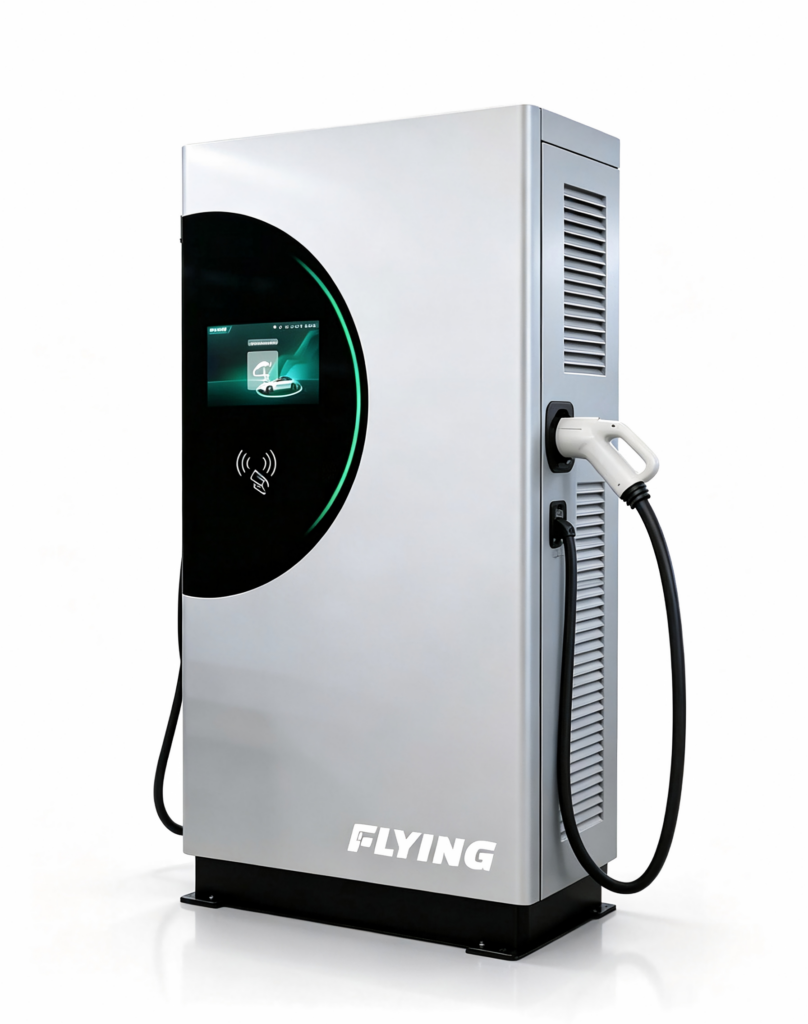
Public Fast Charging Stations
Advantages: Fast charging rate, can replenish most of the battery in 30-60 minutes, suitable for highway driving and emergency charging.
Disadvantages: High current can exacerbate battery heating; frequent and prolonged fast charging accelerates cell aging; queues are required during peak hours; voltage instability in some older devices.
Daily Recommendation: Prioritize slow charging for daily commutes, and use fast charging for long-distance travel.
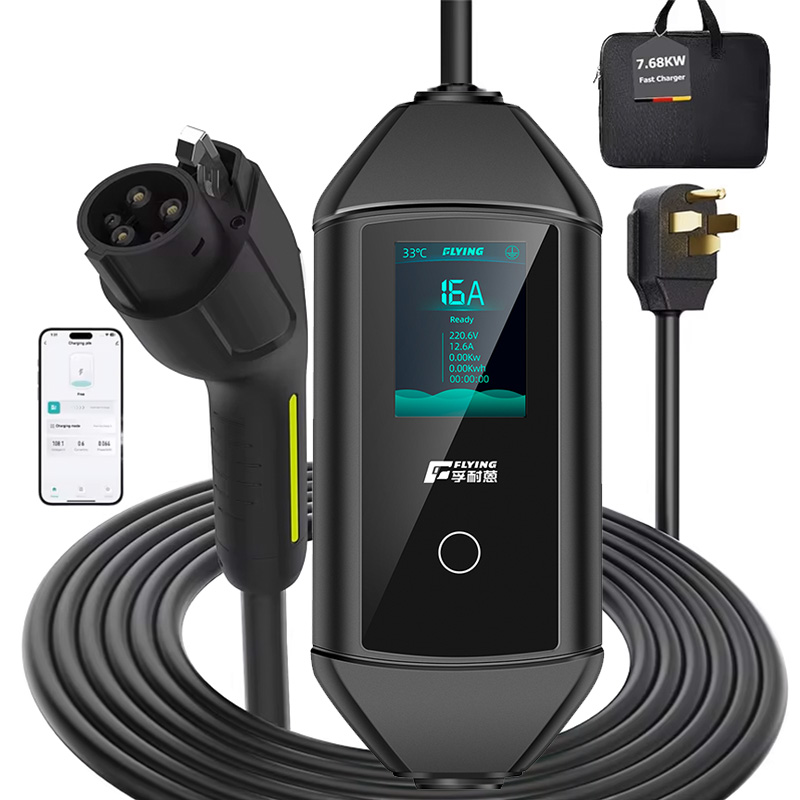
Portable Car Charger
Advantages
Lightweight and portable, easy to carry in the car; works with a standard household outlet; suitable for emergency charging in guesthouses or rural areas.
Disadvantages
Slowest charging speed; standard wall outlets have limited capacity, be aware of the outlet getting hot during prolonged charging.
[Image] Summary and Recommendations
Prioritize home slow charging for home use; use public fast charging for long-distance emergencies; use as a backup charging tool in the car, not as your primary charging device.