
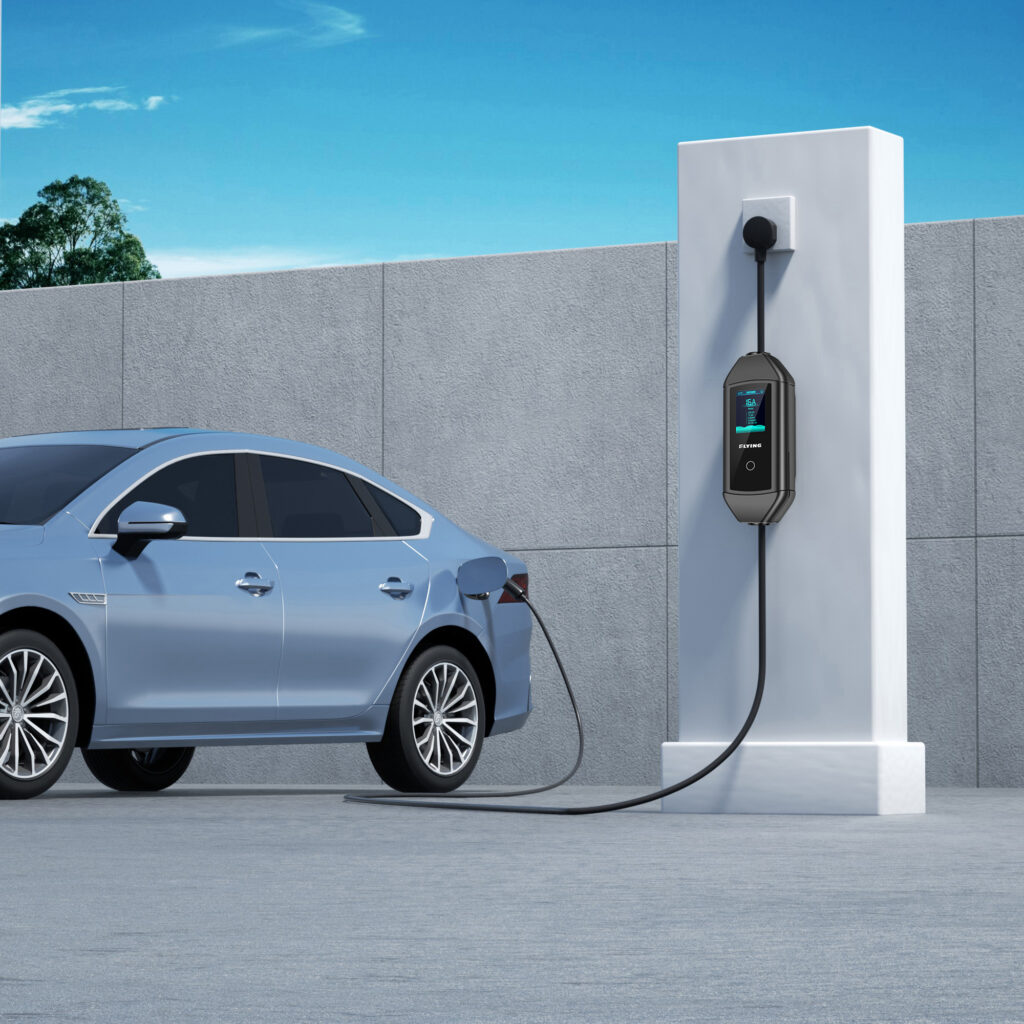
The conclusion is: With a compliant EV and a proper charging station, charging in heavy rain is safe and will not result in electric shock.
However, extreme flooding and improper operation pose risks.
Why is it rainproof? High waterproof rating:
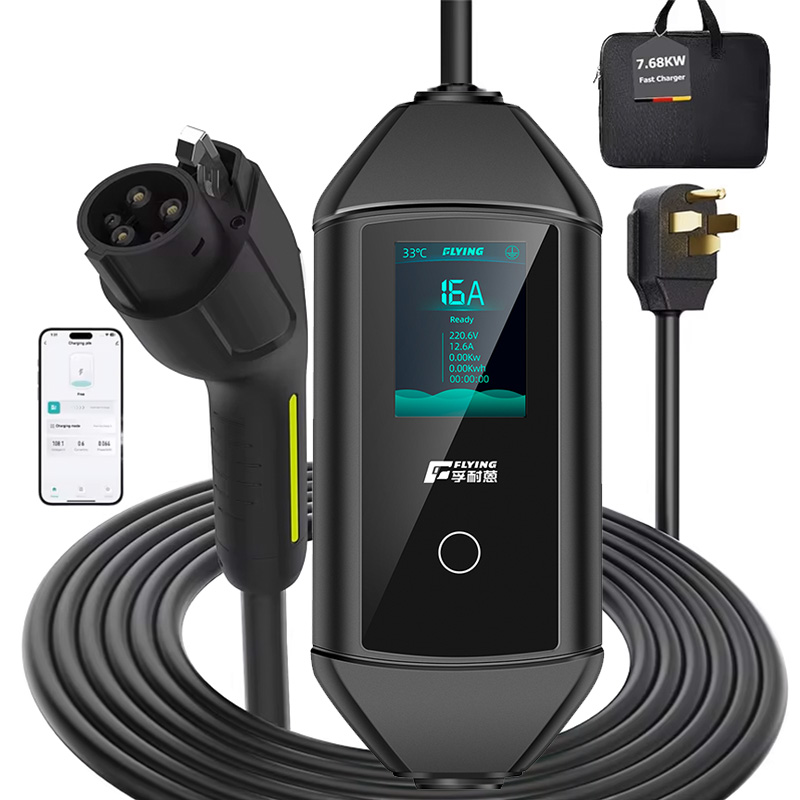
Charging port: Meets national standard GB/T 20234 requirements, with an IP55 protection rating after insertion. Most mainstream models reach IP67 (can withstand short-term immersion).
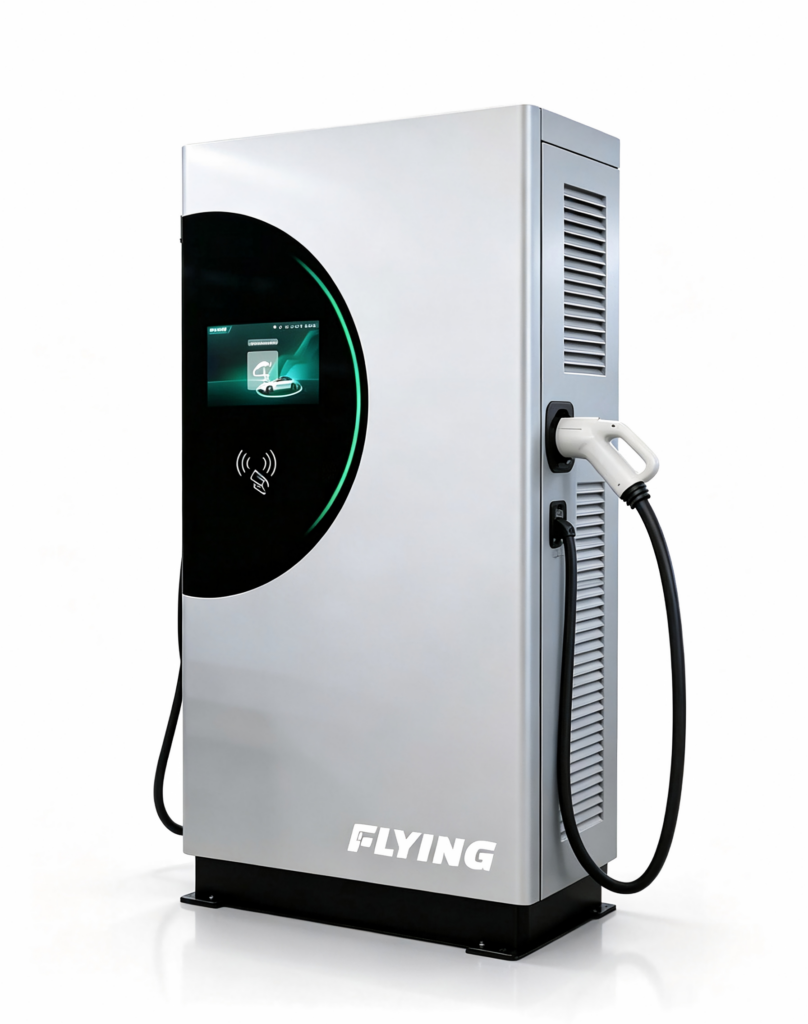
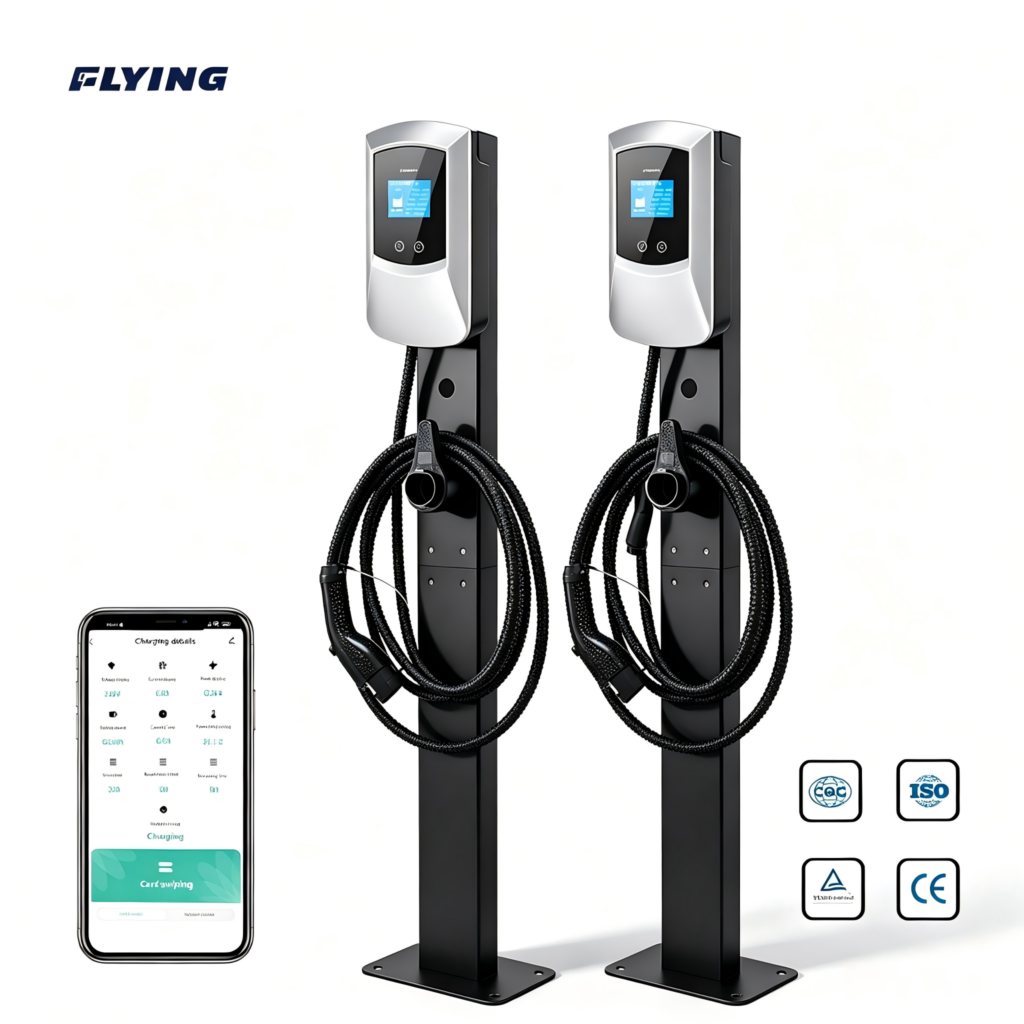
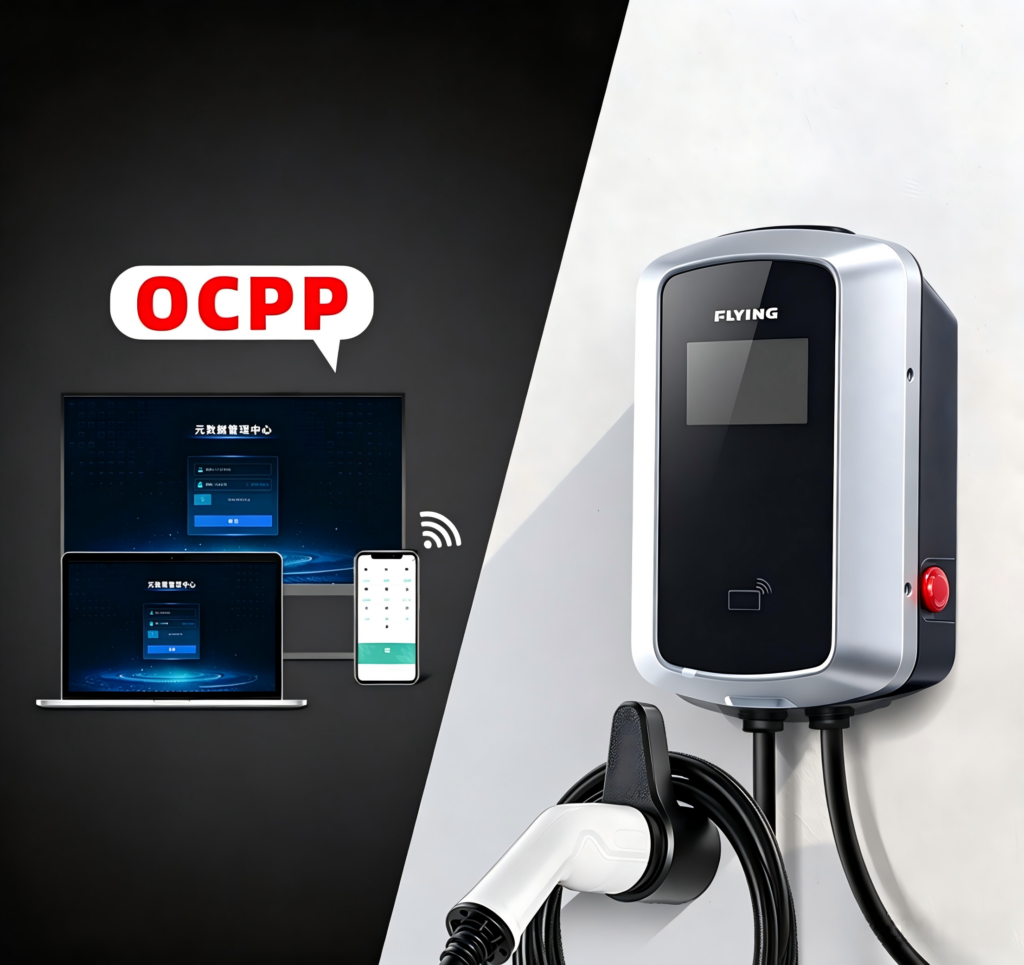
Charging station: Public/home charging stations have at least IP54 protection against splashes from all directions.
Battery pack: The entire vehicle battery is IP67 waterproof, able to withstand immersion in 1 meter of water for 30 minutes without water ingress.
Multiple protections: Insulation testing before charging + leakage/overcurrent/lightning protection, millisecond-level power cut-off in case of abnormalities.
The real dangers are these 3 situations:
- Flooded equipment: Charging is strictly prohibited if the charging station base or wheel area has more than 10cm of water, or if the chassis is submerged.
- Lightning + Outdoor Exposure
During severe thunderstorms, lightning surges may damage equipment. Charge indoors or under a canopy whenever possible.
- Damaged/Aging Interfaces
Cracked seals, damaged charging nozzles, or using non-standard/old charging stations can allow rainwater to seep in and cause short circuits.
Charging in Heavy Rain: Remember These 4 Safety Steps
- Choose the Right Location
Prioritize underground parking garages and charging stations with canopies; avoid low-lying, flooded areas. - Dry the Interface
Wipe the charging port and nozzle with a dry cloth before plugging in the nozzle. Do not operate with wet hands. - Tightly Insert and Lock
Insert the nozzle head downwards until you hear a “click” to lock it in place and prevent rainwater backflow. - Stop Immediately in Case of Abnormalities
If there is rising water, thunder, or an alarm, immediately stop charging remotely. Do not unplug the nozzle in the rain.
Summary
Normal heavy rain does not necessarily mean electric shock risk. Flooding, lightning strikes, and damaged interfaces are the real dangers. Follow the proper procedures; charging in the rain is just as safe as charging in sunny weather.