
EV drivers often face the question of whether to use fast or slow charging, each with advantages and trade-offs. While fast charging reduces immediate session time, slow charging offers benefits in cost, battery health, and grid impact.
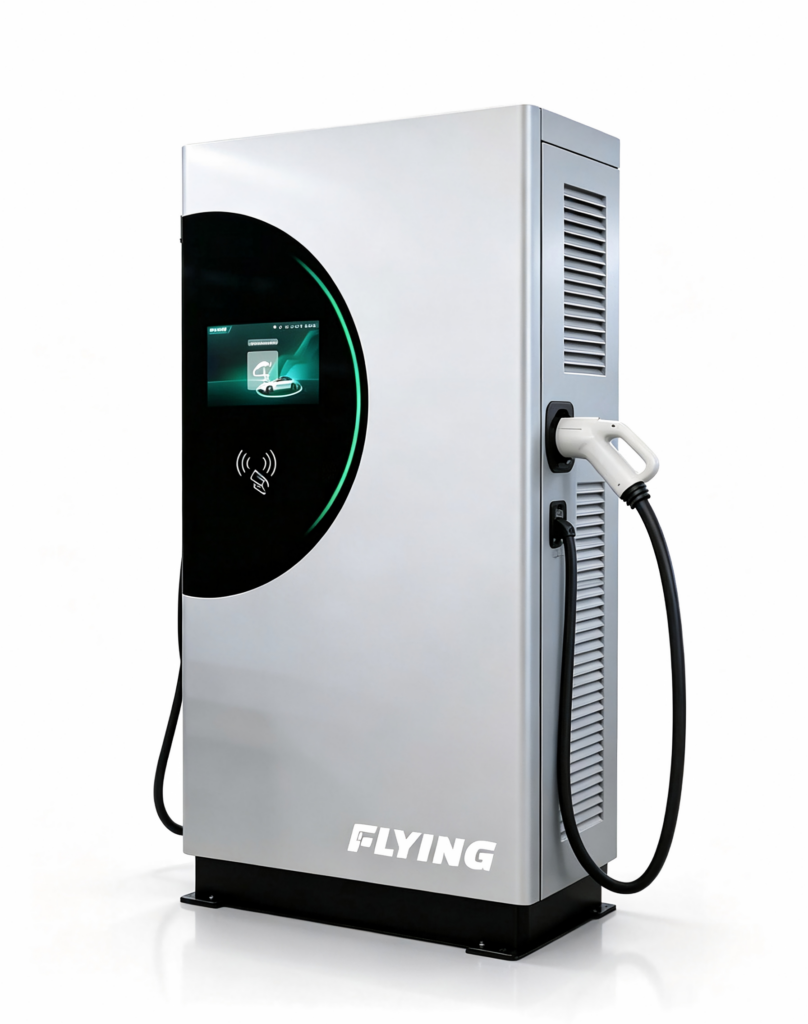
Fast charging, typically delivered via DC fast chargers, is ideal for long-distance travel and high-demand scenarios. Vehicles can regain significant range within 20–40 minutes. However, frequent use may stress the battery, potentially accelerating degradation over time. Moreover, fast charging stations often carry premium pricing due to infrastructure and operational costs.
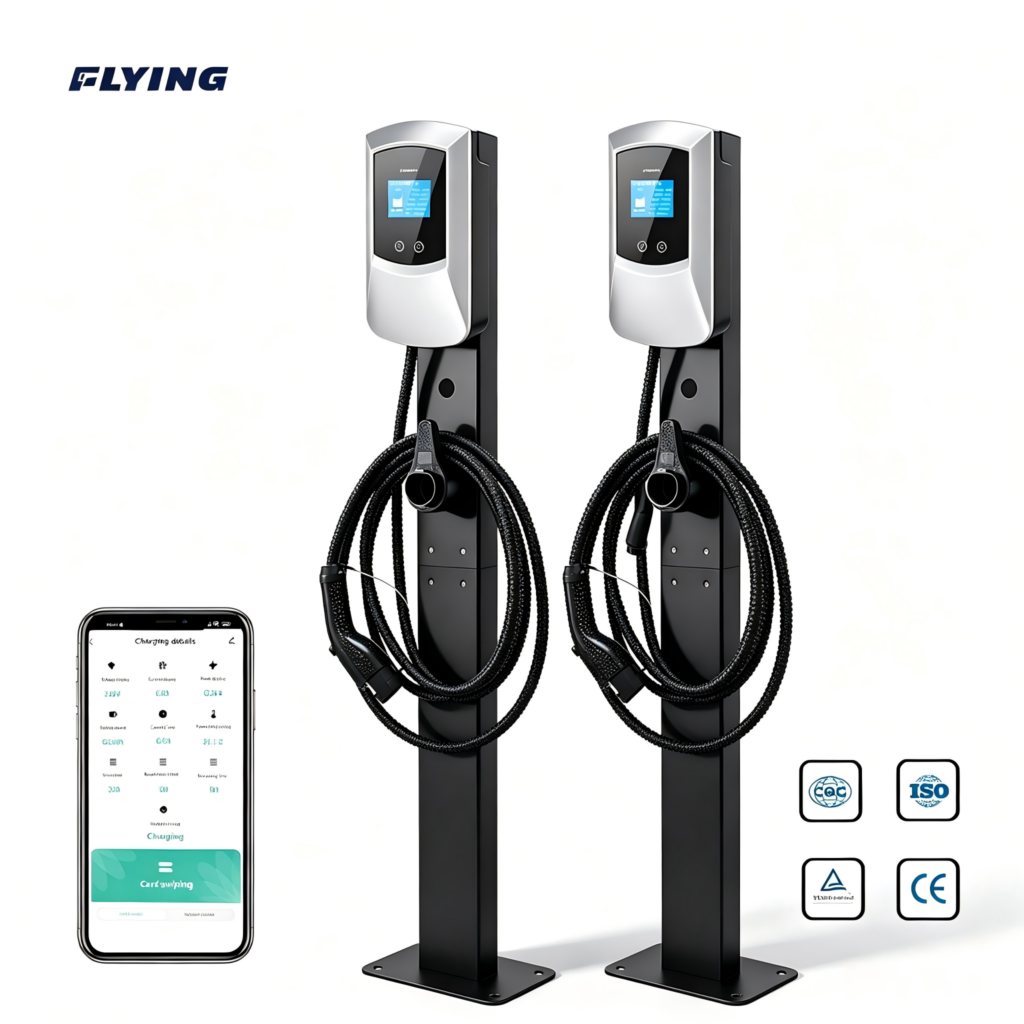
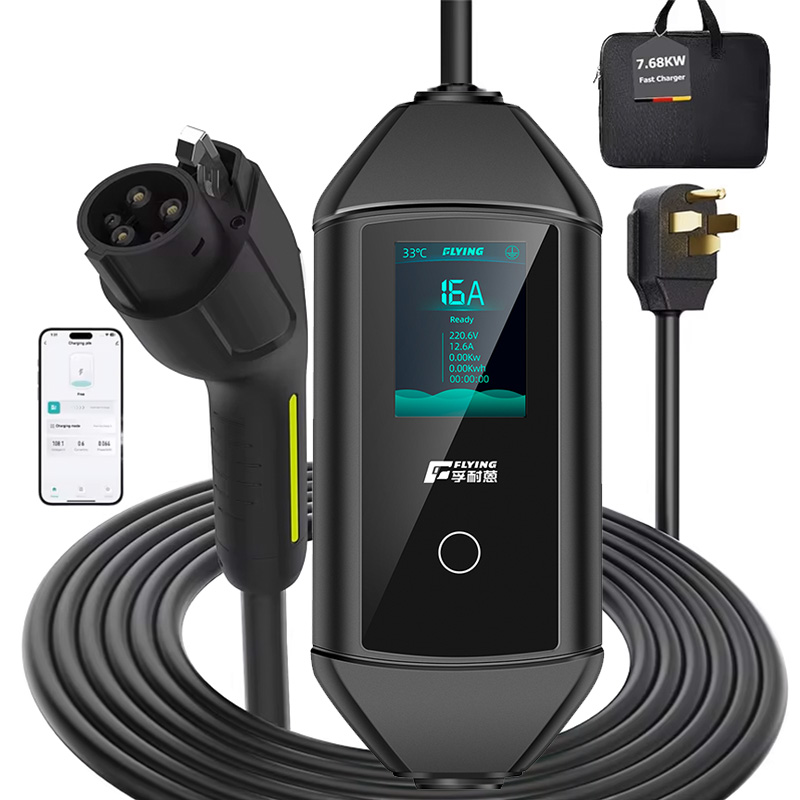
Slow charging, usually AC Level 2 at home or workplace, is slower but gentler on batteries. Overnight charging ensures a full charge without high power draw, spreading electricity consumption and lowering stress on the grid. For most daily commuting scenarios, slow charging is sufficient and cost-effective.
Selecting the right charging method depends on trip requirements, charging infrastructure availability, and operational priorities. Fleet managers may balance fast charging for urgent dispatches with slow charging for routine replenishment, maximizing both efficiency and battery longevity.
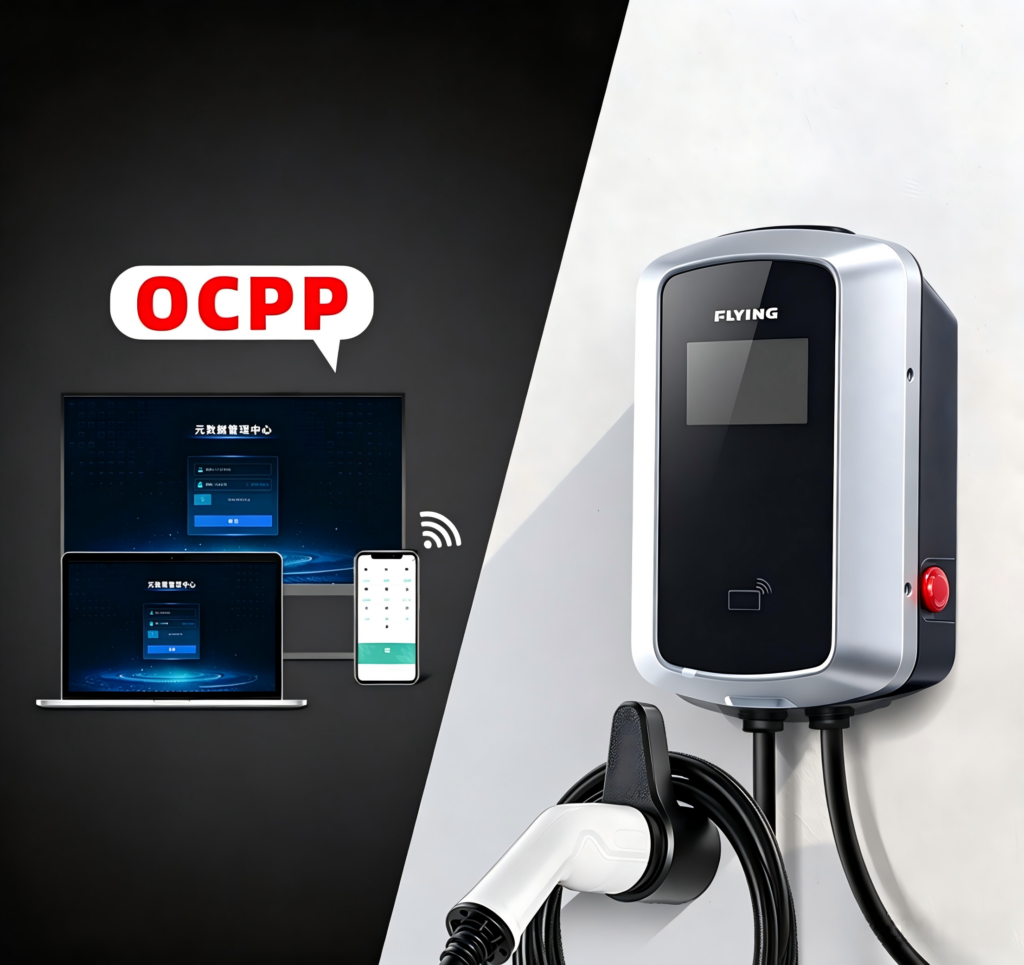
Technological advancements are narrowing the gap between fast and slow charging impacts. Smart battery management systems optimize thermal and electrical conditions, reducing the risk of degradation during high-power sessions. Meanwhile, dynamic pricing and grid-aware chargers encourage off-peak slow charging, complementing high-speed options.
In summary, the choice between fast and slow charging requires consideration of context, battery health, and cost. A hybrid strategy leveraging both methods provides the best balance of convenience, performance, and longevity for EV drivers and operators.